
How ham is made
An Iberico ham isn't manufactured: it's made with time. Its story begins long before it reaches the curing house, with the breed of the pig and what it eats — feed, pasture or acorns during the montanera — and continues with the salting, the resting and the months, sometimes years, in which the ham slowly cures until it develops its aroma, its marbling and its texture.
In this section we follow that journey step by step: what makes the Iberico pig special, what the montanera is and why the dehesa makes the difference, how a ham is made from salting to the cellar, and how many months of curing each one needs. You'll also find out where ham comes from and how it got its name, and how we harness the sun's energy at our curing house. Understanding how a ham is made is the best way to appreciate it, and to know what you're buying.
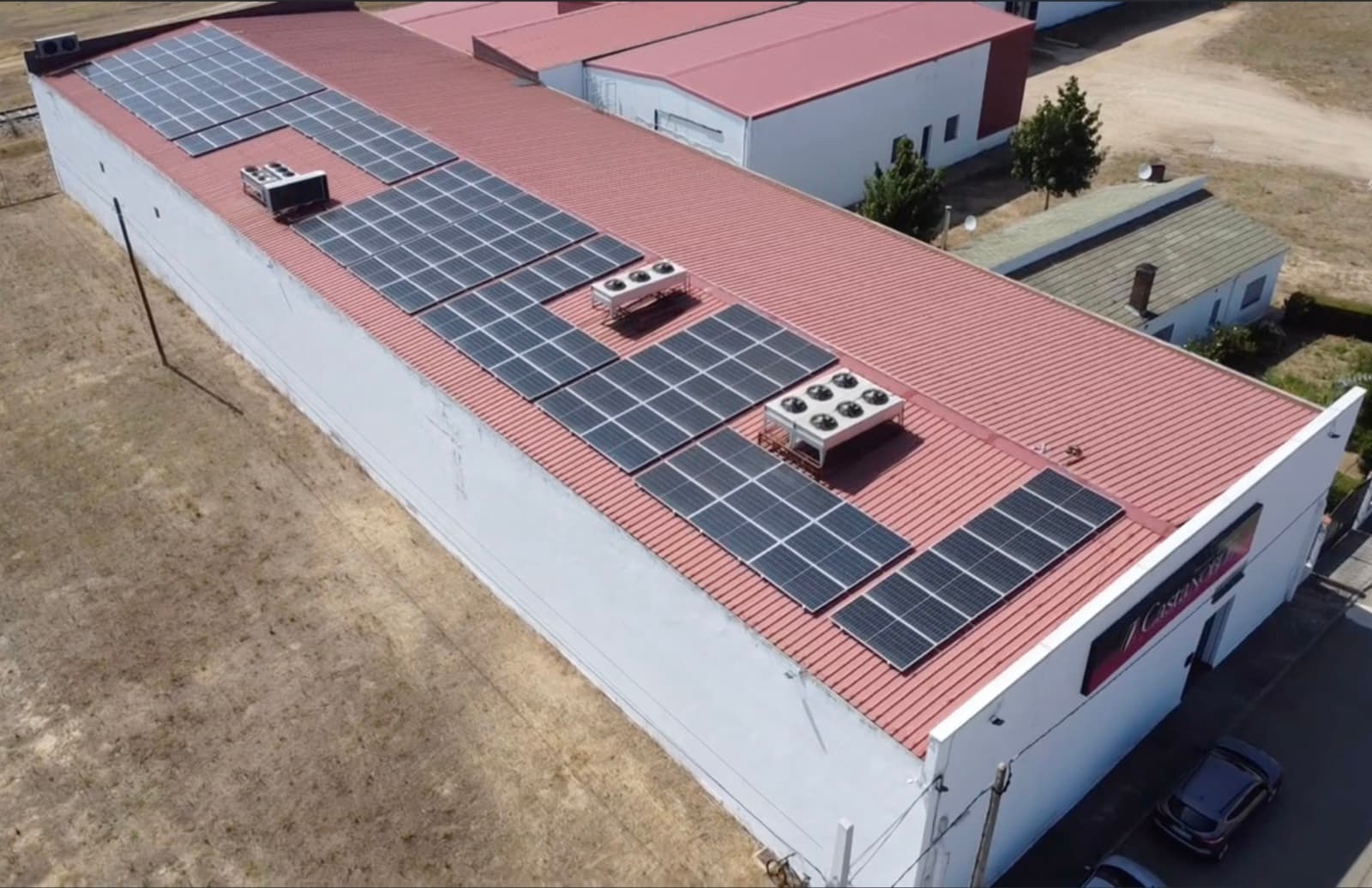
Solar energy at the curing house: the same sun that cures our ham
In Castilla y León we cure with the climate. Since 2022, we have also been generating power with it: a 72 kW photovoltaic plant at the curing house produces part of the electricity we use to cure our pieces.
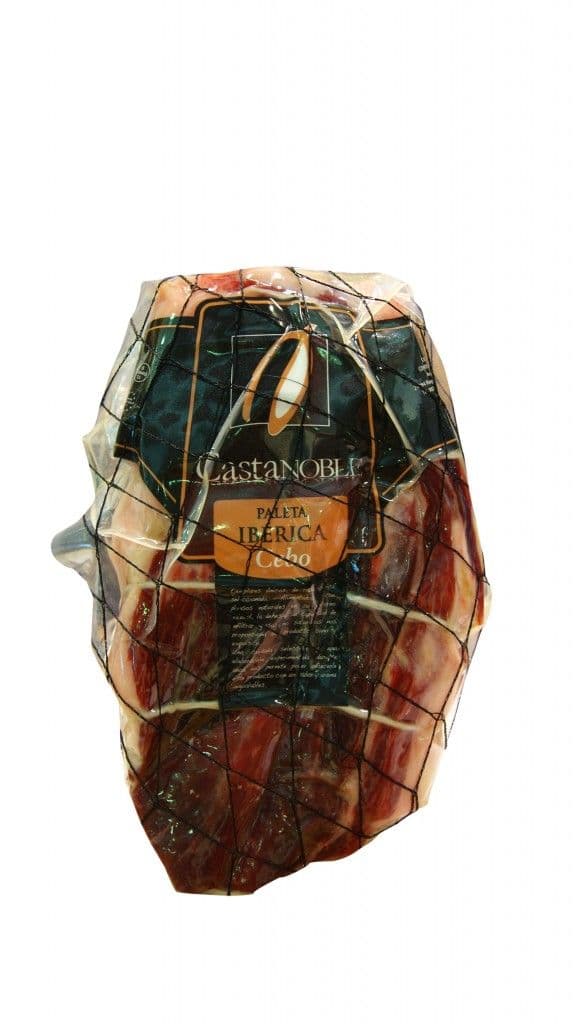
Iberico shoulder and Iberico ham: rearing and fattening the Iberico pig
The quality of Iberico ham and shoulder begins in the dehesa: we look at how the Iberico pig is reared and fattened, from birth to the montanera.
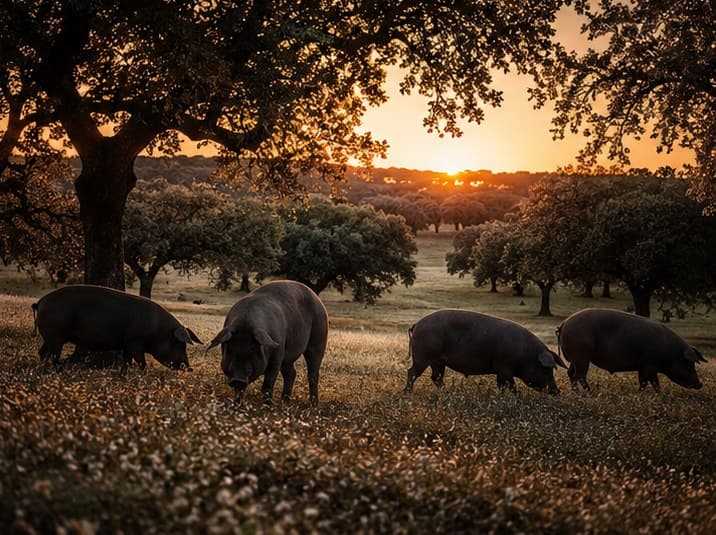
The Iberico pig: origin and characteristics of the breed
We look at what sets the Iberico pig apart from white pig breeds: its origins in the dehesas of the south, its physical characteristics and the role of the Duroc cross.
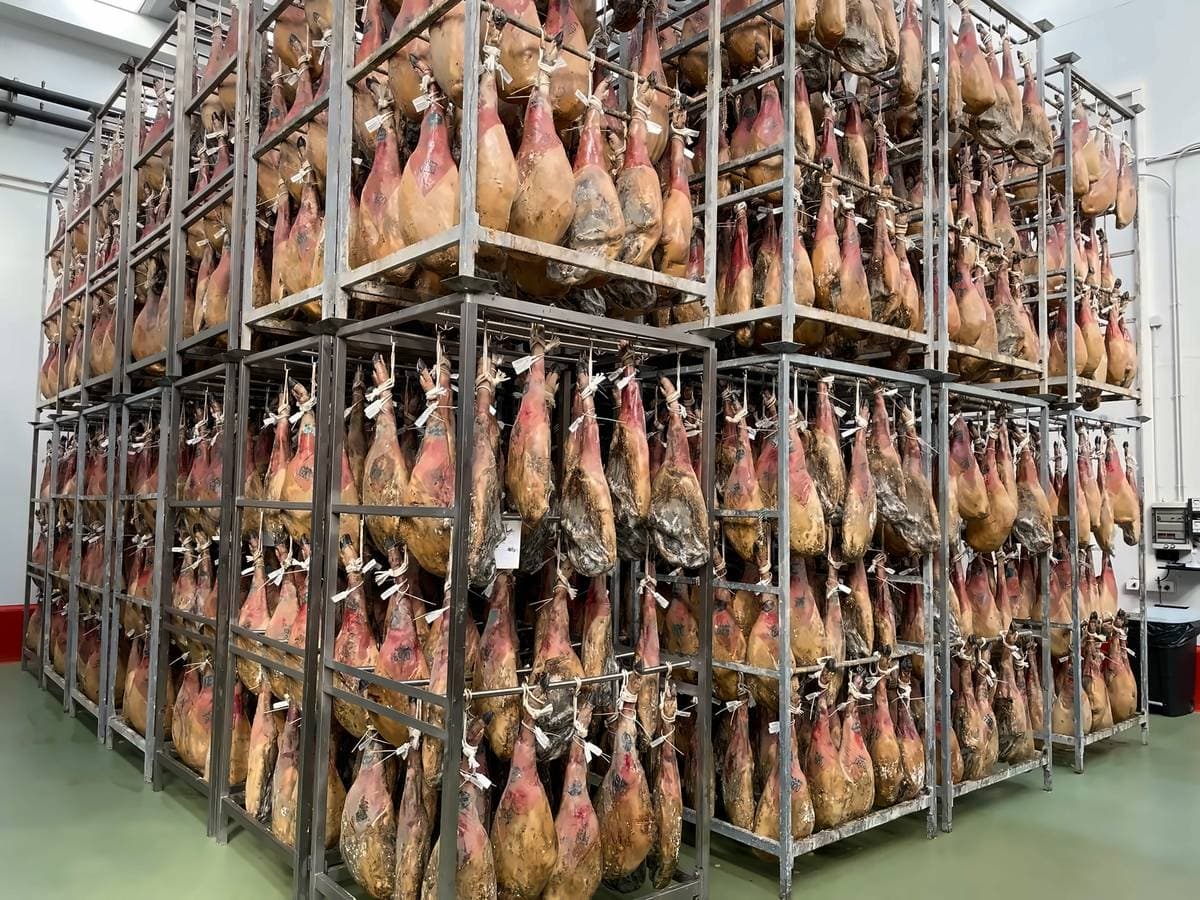
The curing process of Iberico ham
We walk through the curing process of Iberico ham, from salting with sea salt to the years in the cellar, comparing the traditional method with the modern four-stage one.
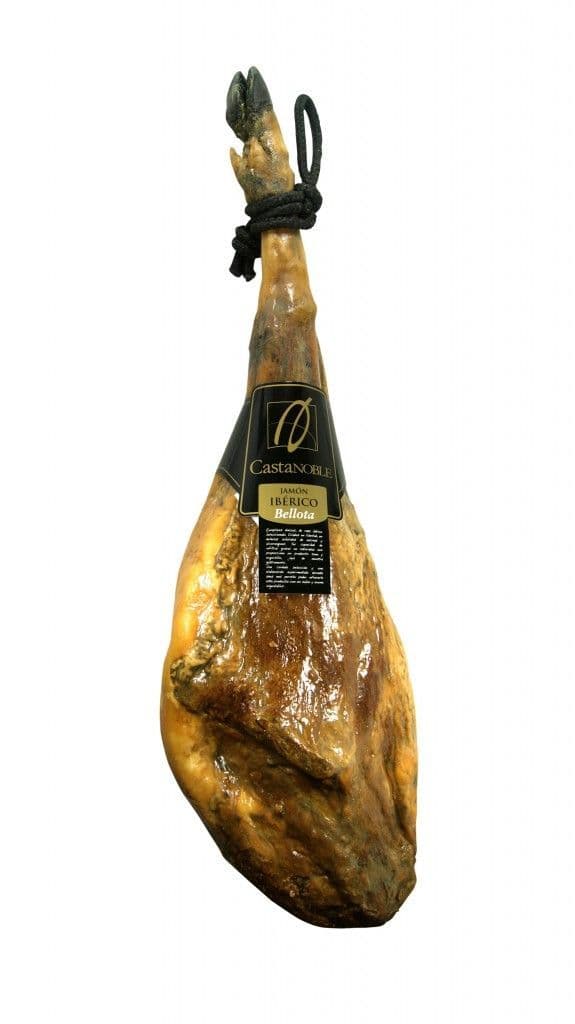
Iberico ham: how it is made
We take you step by step through the process of making Iberico ham: from raising the pig on the dehesa to curing in the cellar.
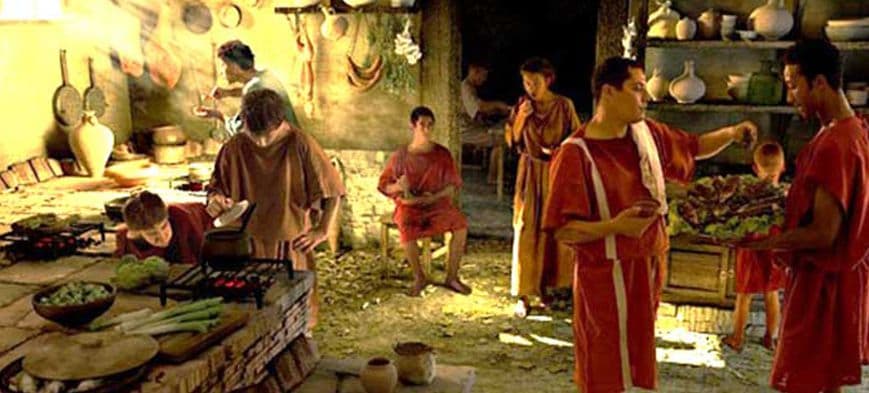
The origins of ham
A look back at the origins of ham: how the need to preserve meat by salting it, as far back as the times of the Iberians and Romans, gave rise to one of the great treasures of Spanish gastronomy.
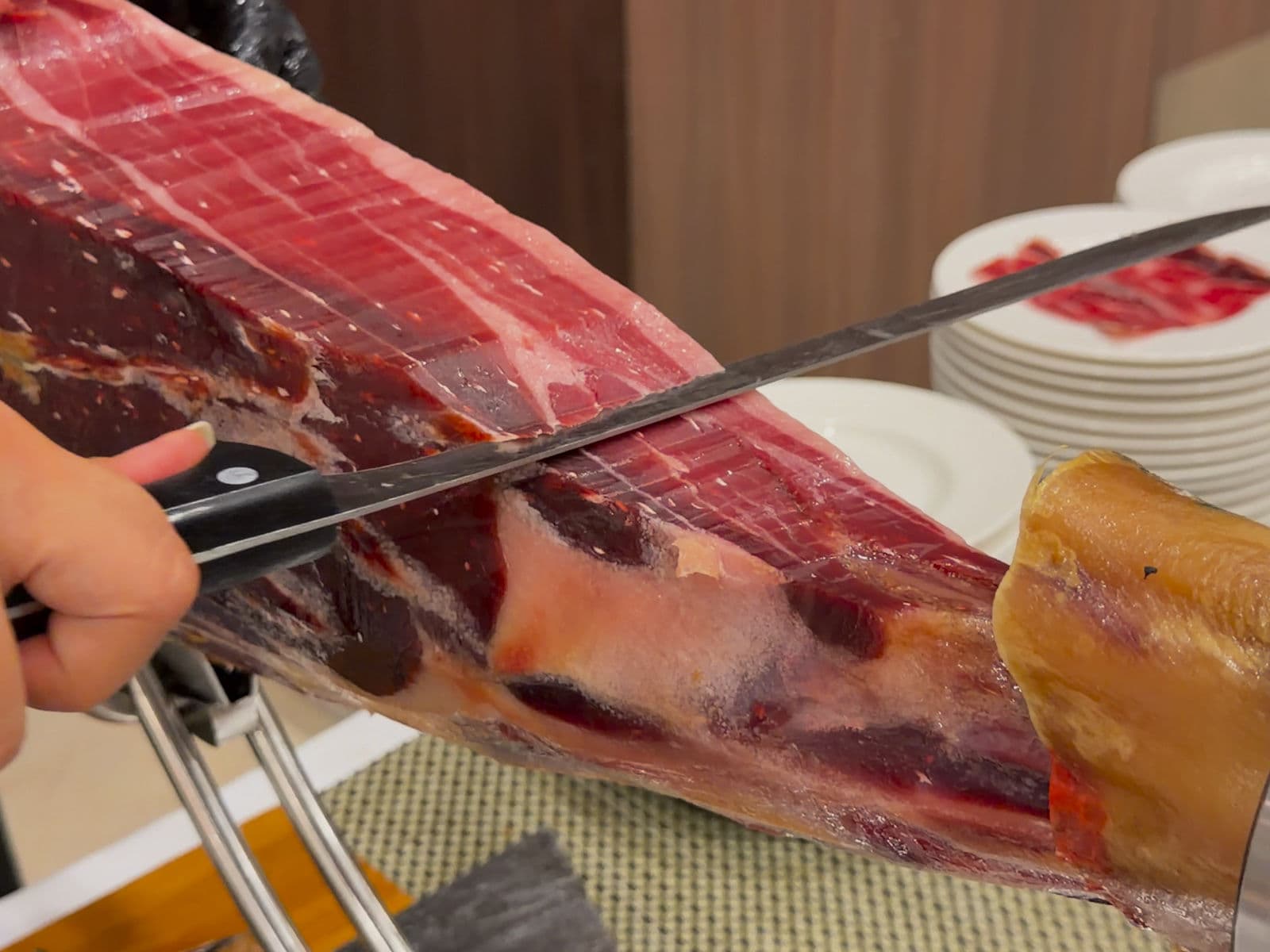
The secret of Iberico acorn-fed ham: the dehesa and the acorns
Free-range rearing on the dehesa and an acorn-based diet are the keys that give Iberico acorn-fed ham its unique flavour and character.
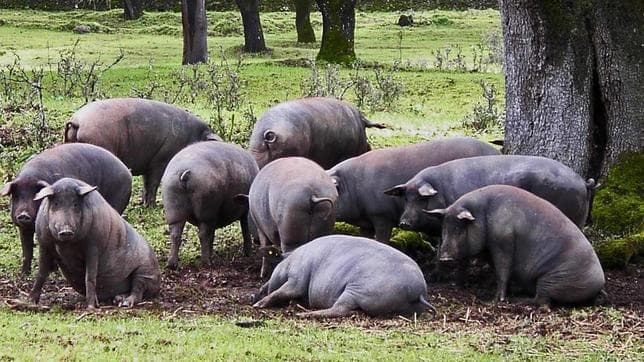
What is the montanera of the Iberico pig?
The montanera is the final stage in raising the Iberico pig, when it fattens on acorns and pasture on the dehesa. We explain when it happens and why it is key to acorn-fed ham.
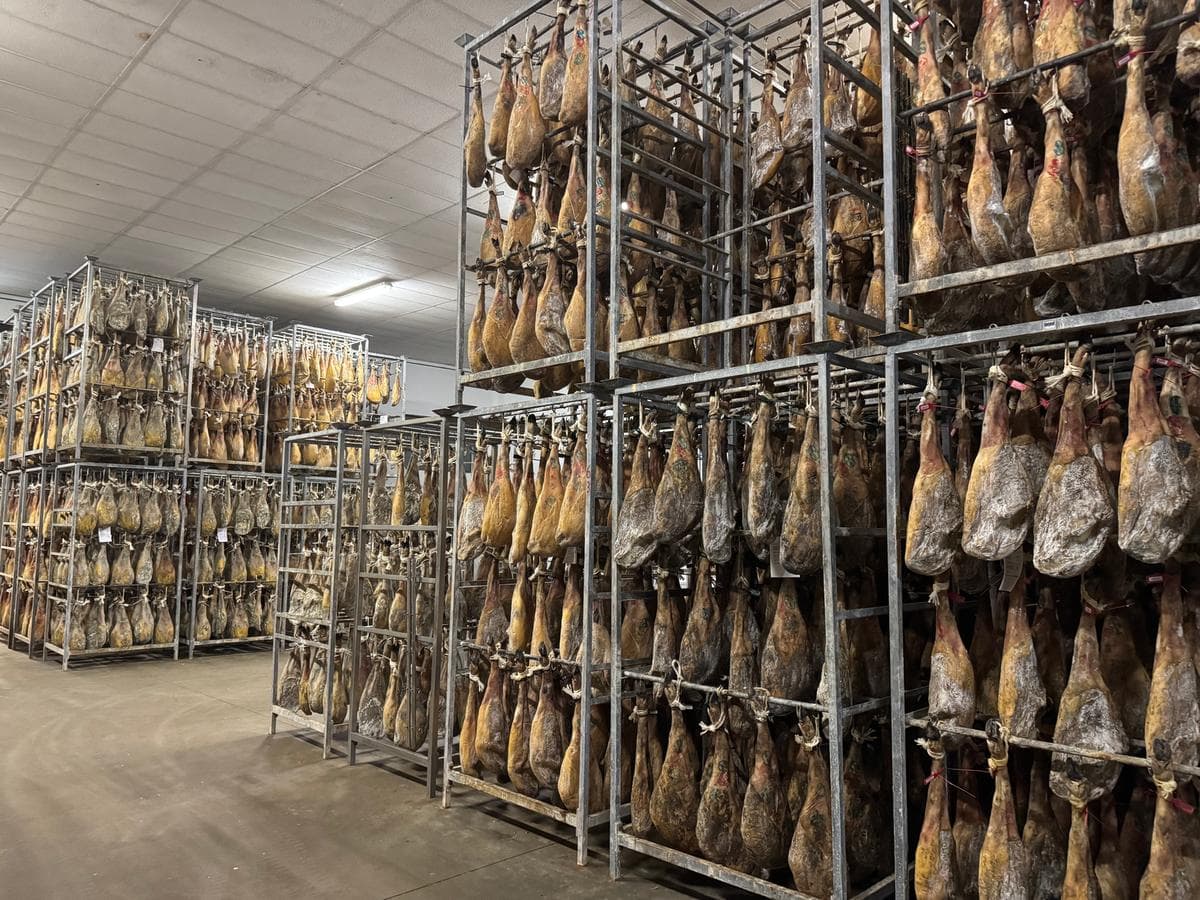
The months of curing ham
We look at how many months of curing Iberico ham, shoulder and Serrano ham need, and why a longer maturing time does not guarantee higher quality.