
The Castanoble blog
Stories of jamón and cecina
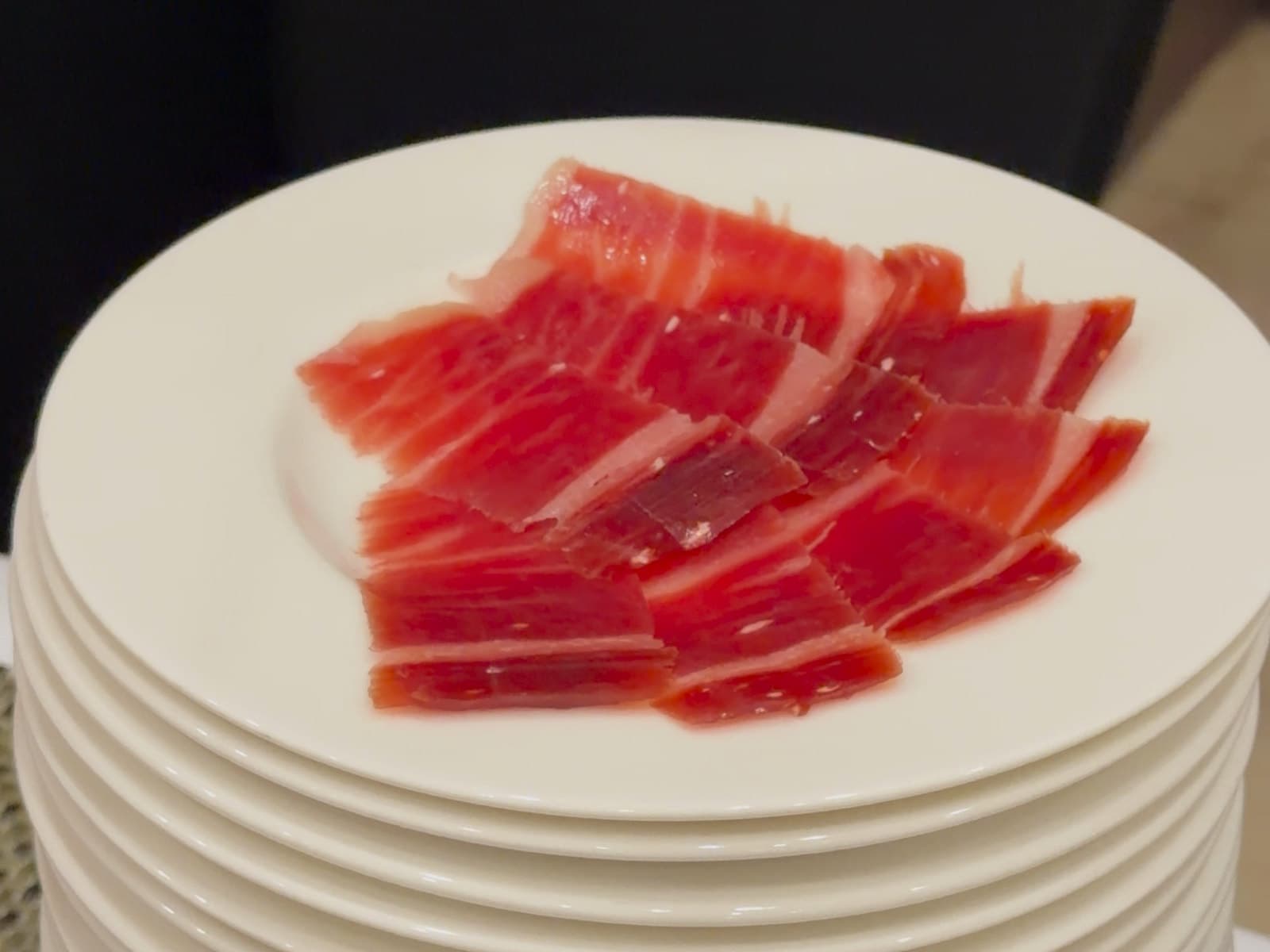
How to serve and present ham so it is just right
A slice should reach the table juicy and glossy. What is missing is almost never the ham, but the temperature: what to do in the ten minutes beforehand.
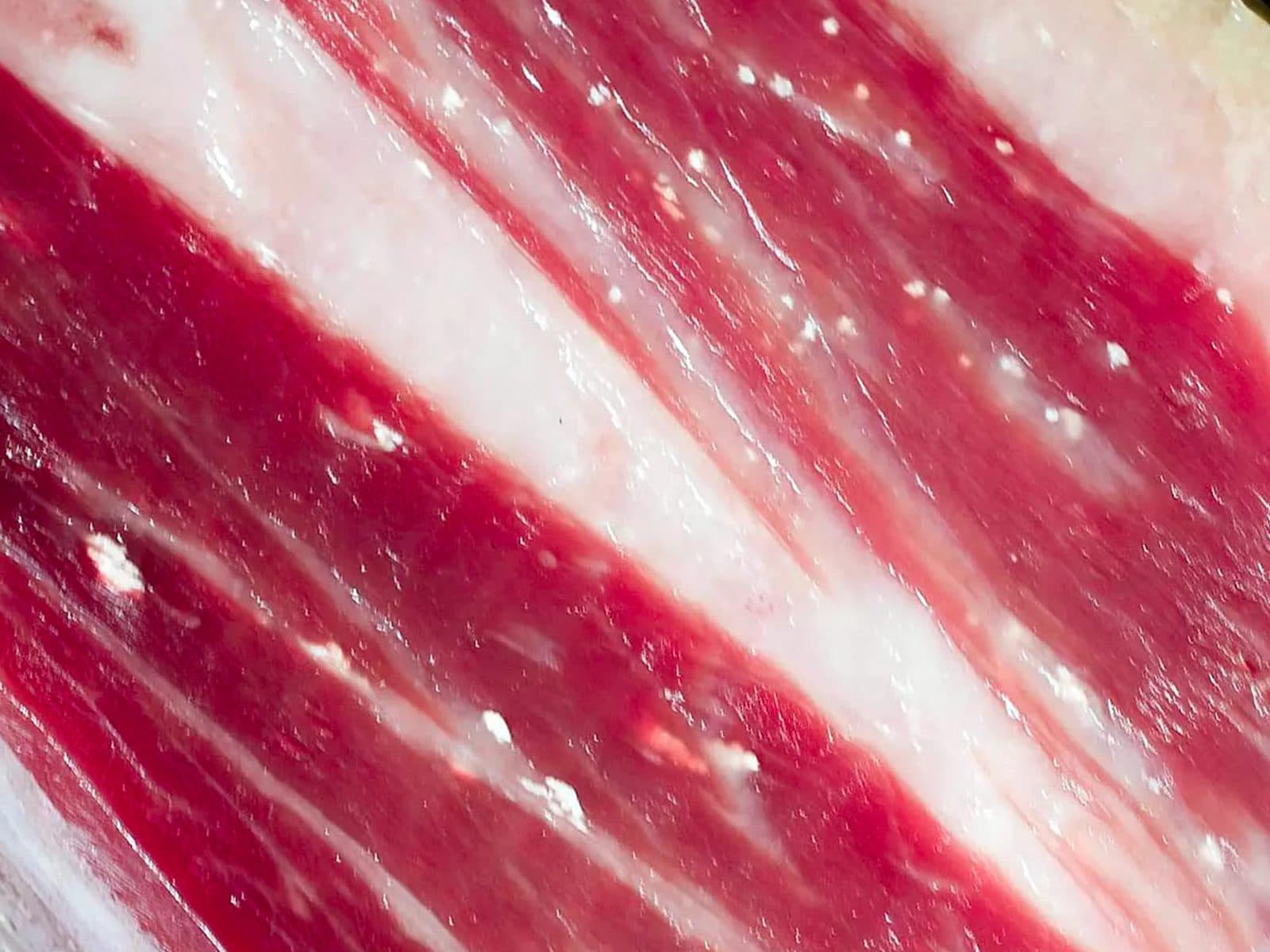
White spots in ham: what tyrosine crystals are
Those small, hard white specks that show up in some slices are tyrosine crystals, an amino acid released during curing. We explain why they appear, what their size indicates and why they are perfectly safe to eat.
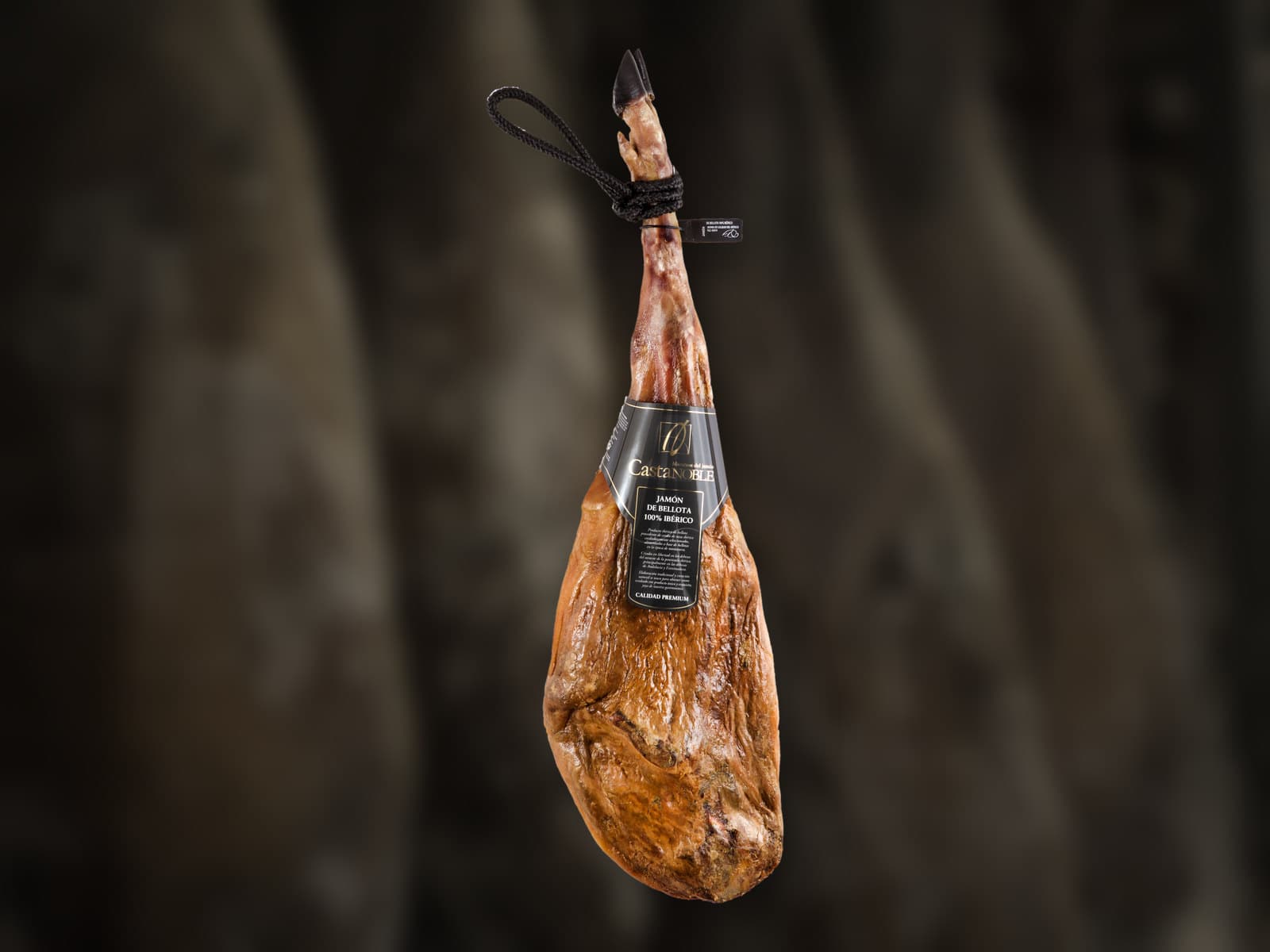
How to choose a good ham: what to decide first and what to look for in the ham itself
Choosing a good ham means making four decisions, in order: which pig, what quality, what size and what format. And knowing what to look for on the label and with the ham in front of you.
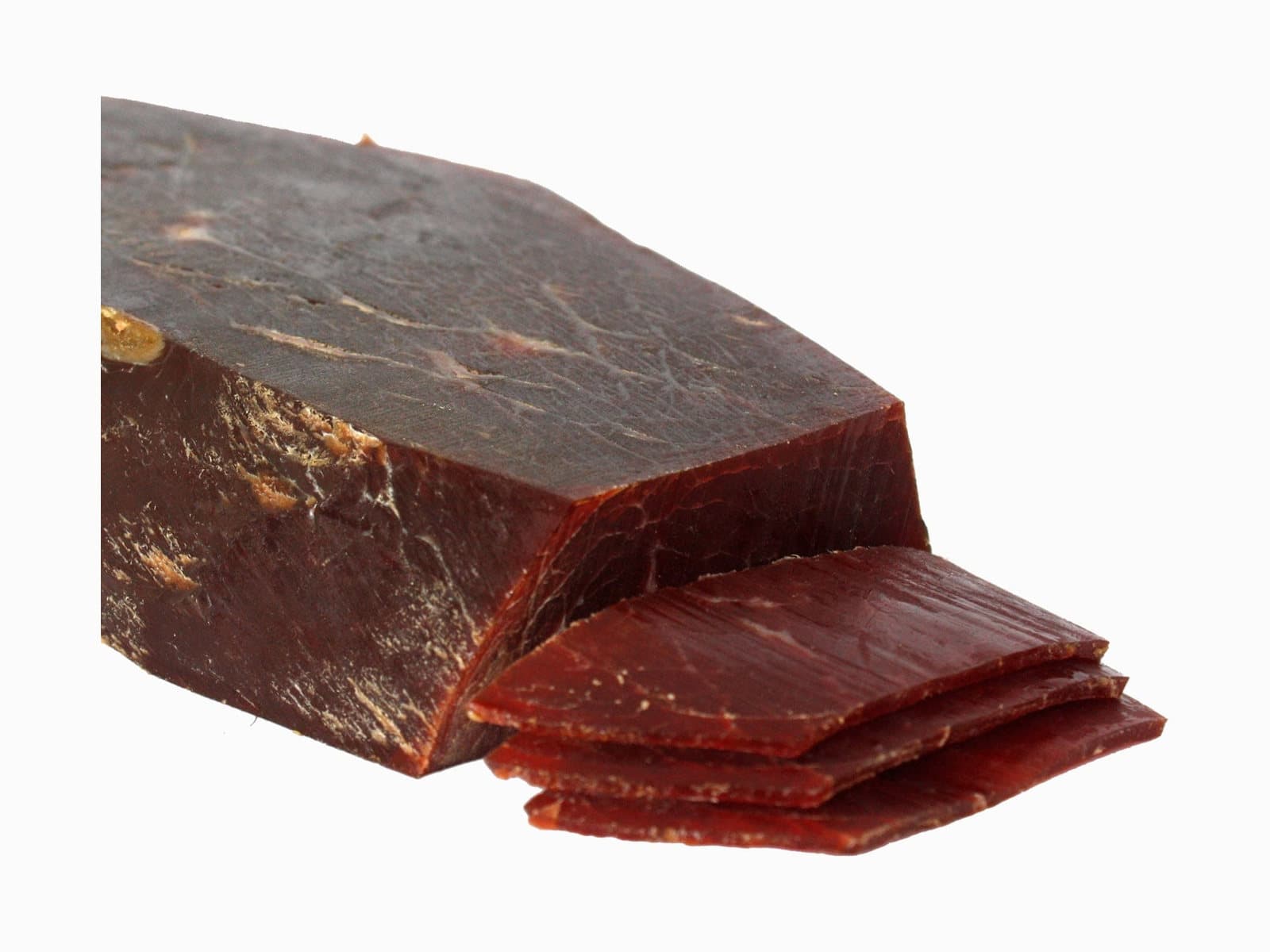
What is cecina: a guide to a cured treasure
Cecina is air-cured beef, a delicacy with centuries of history. We tell you what makes it unique, how we make ours and how to enjoy it.
Differences between Iberico ham and Serrano ham
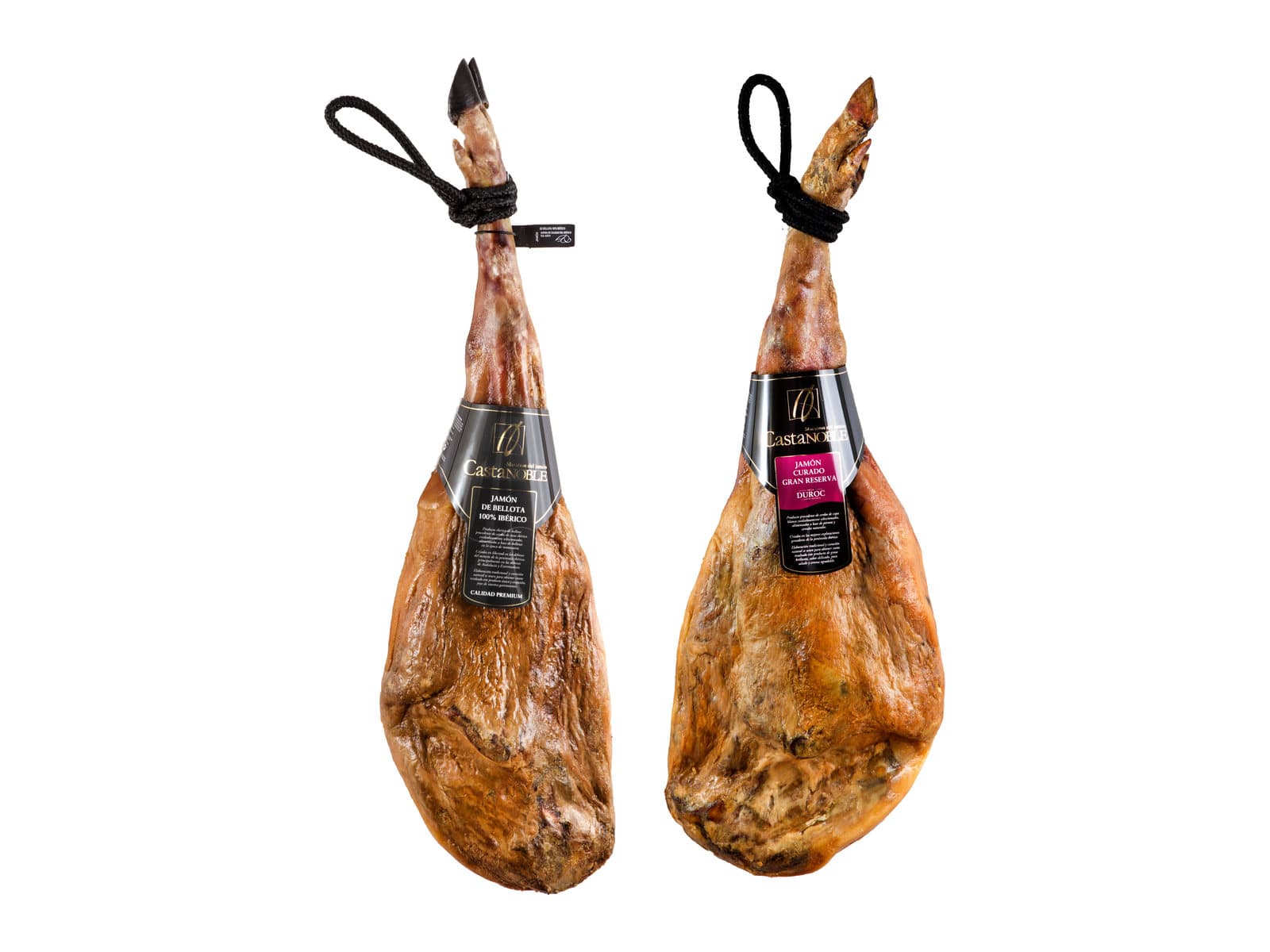
The fundamental difference is the breed of the pig, and all the others follow from it: the feeding, the curing time, what the label says and the price. Along with what the regulations say about each one.
You've been given a ham: what to do with it, step by step
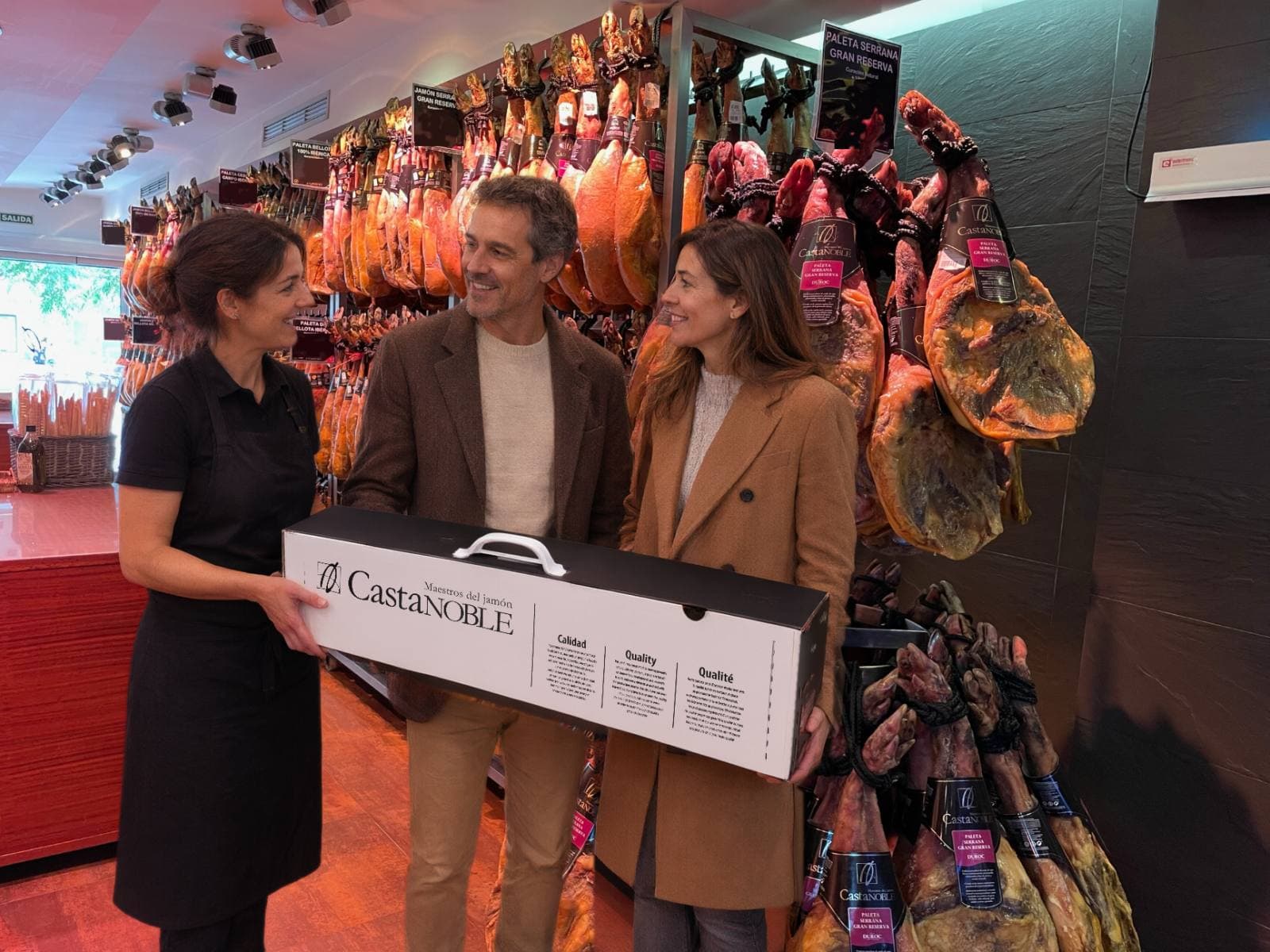
A whole ham at home and no idea where to begin. Where to put it, what you need to cut it, how to store it and what to do if you'd rather not cut it yourself.
How to carve an Iberico ham (and a shoulder) step by step
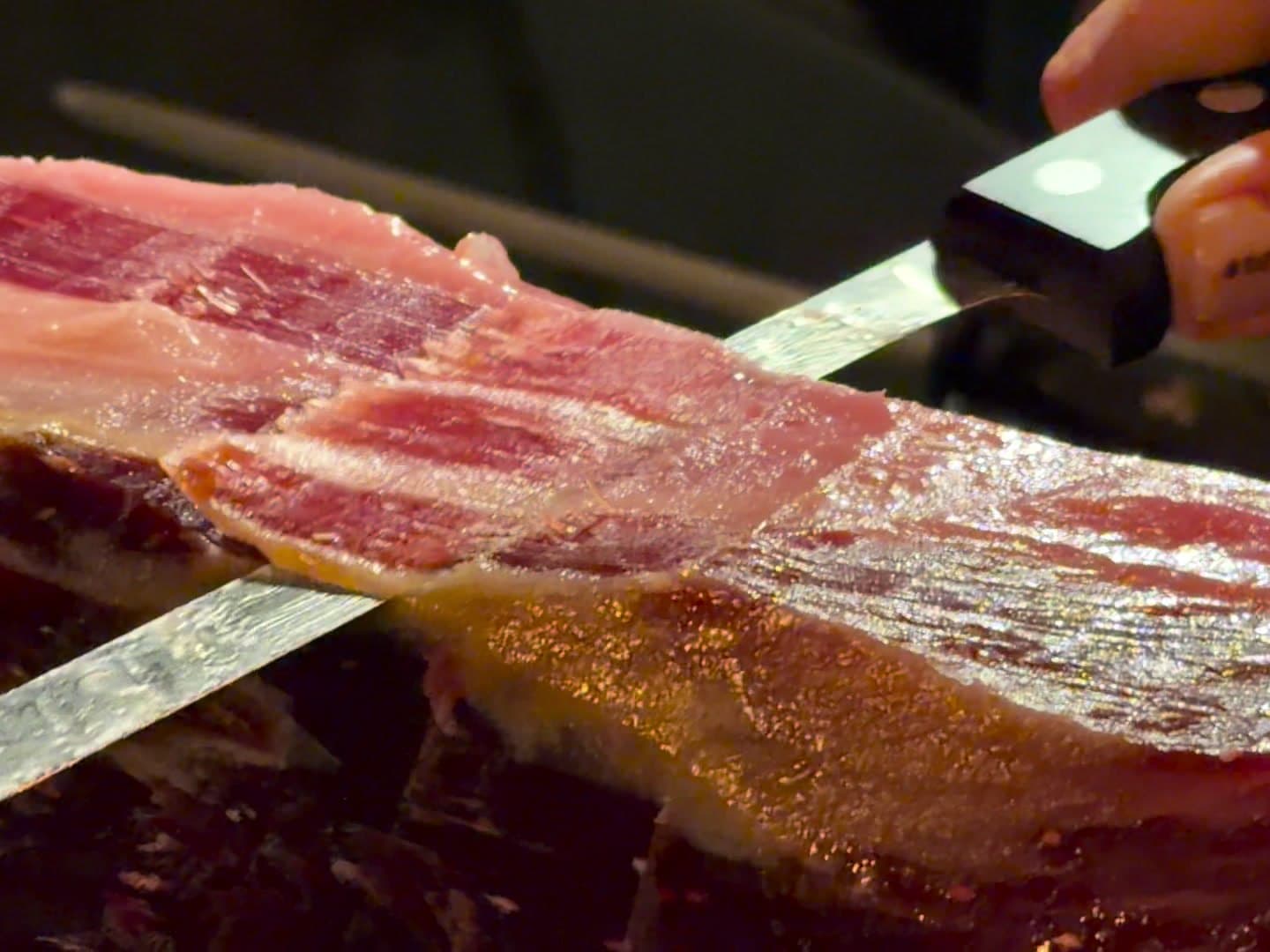
The Castanoble carving manual: which tools you need, how to position the piece, carving in seven illustrated steps and how to make the most of it right down to the bone. With a section on the shoulder.
Jamón de bellota (acorn-fed ham): what it is, how to recognise it and which to choose
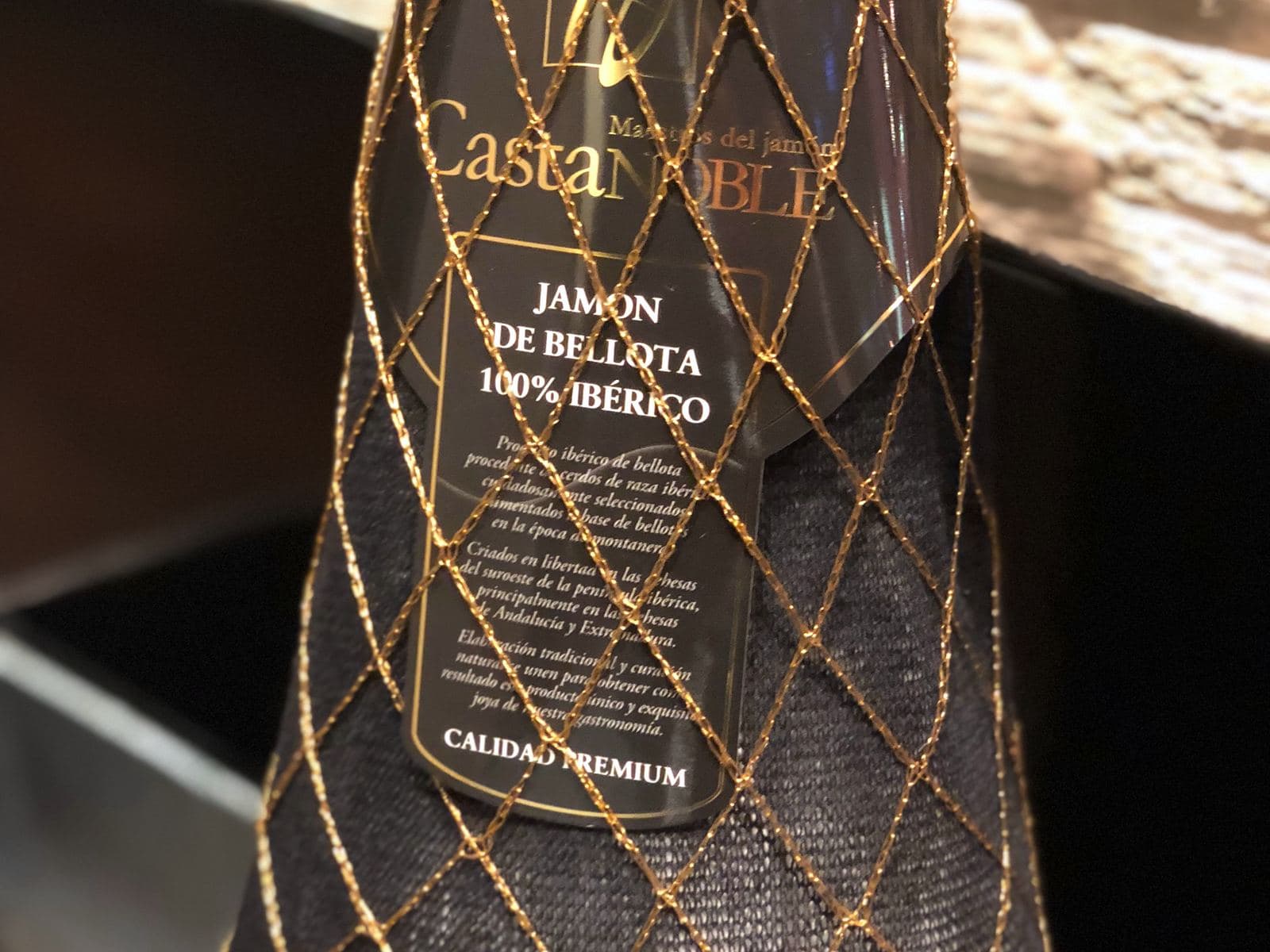
‘De bellota’ (acorn-fed) is not an adjective: it is a category laid down by law. What the pig must have eaten, which label certifies it, how it shows in the slice and how to choose between the four de bellota (acorn-fed) pieces we cure.
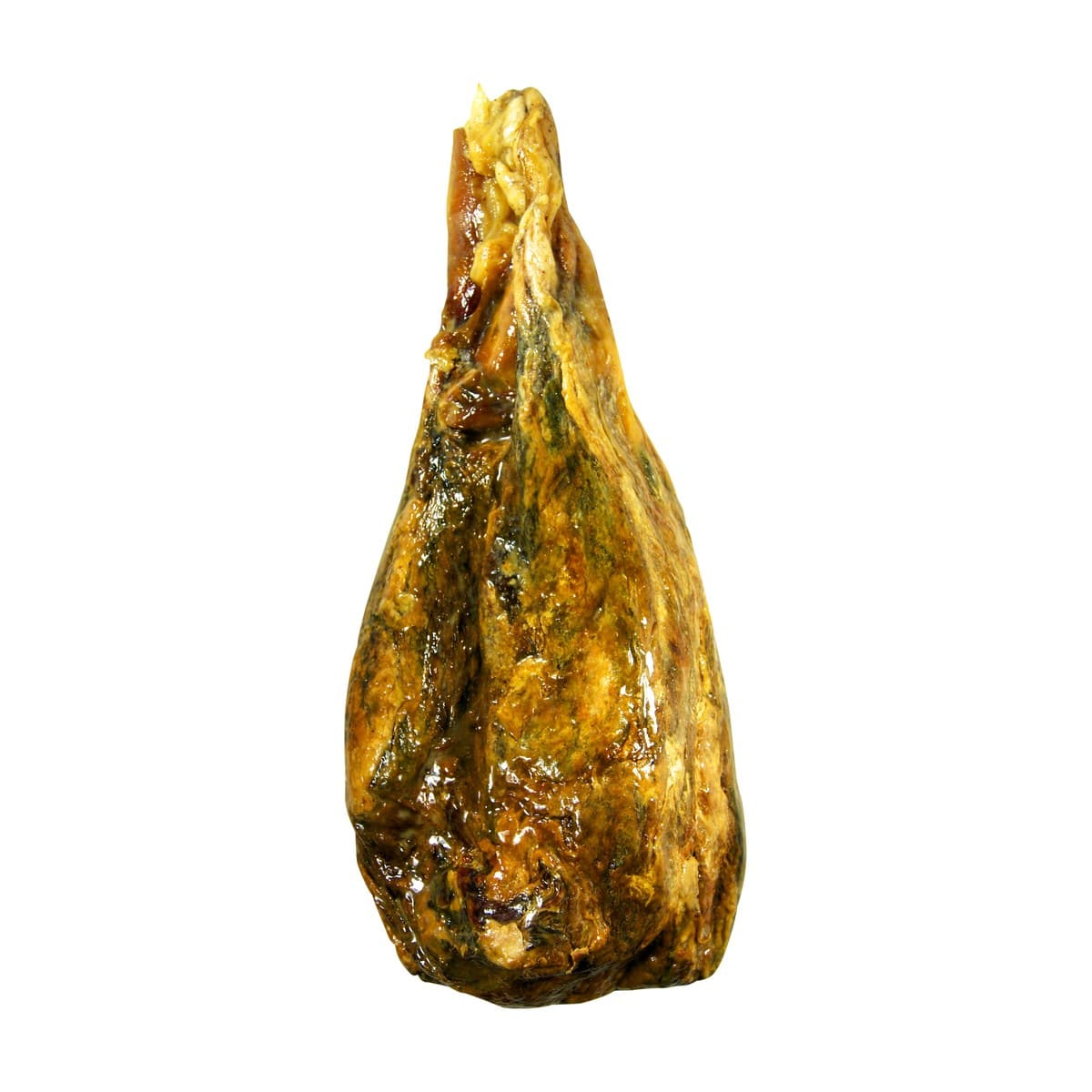
How to store cecina: vacuum-packed, opened, in a piece or sliced
Cecina keeps for a long time, but it can't withstand just anything. Where to store each format, what to do with the cut surface once you open it, and why it shouldn't go straight from the fridge to the plate.
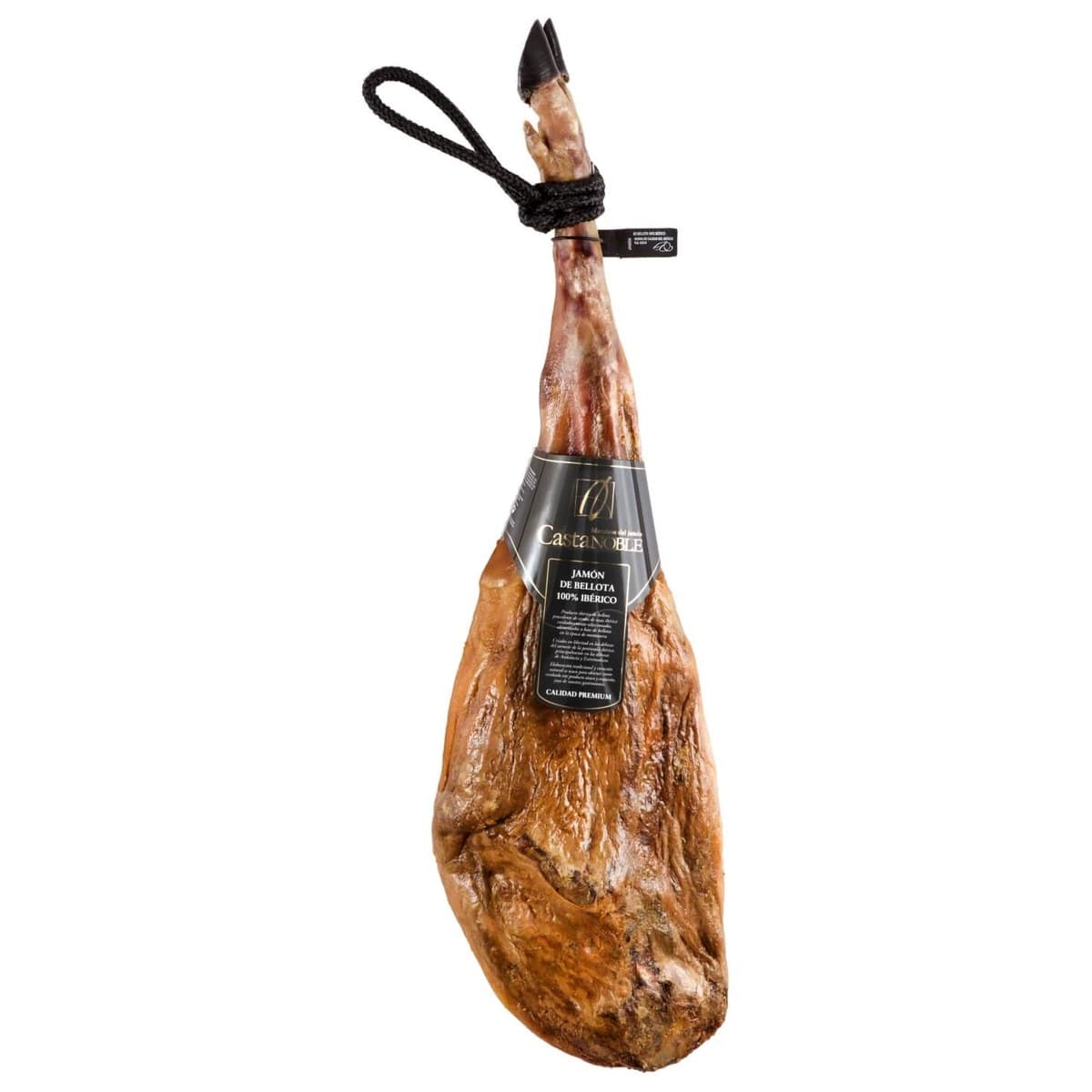
The Iberico ham label: what the black, red, green and white tags mean
Before you look at the price, look at the tag. The four colours of the Iberico Quality Standard state the breed and the diet of the pig, and they leave no room for interpretation. A guide to reading them in a minute.
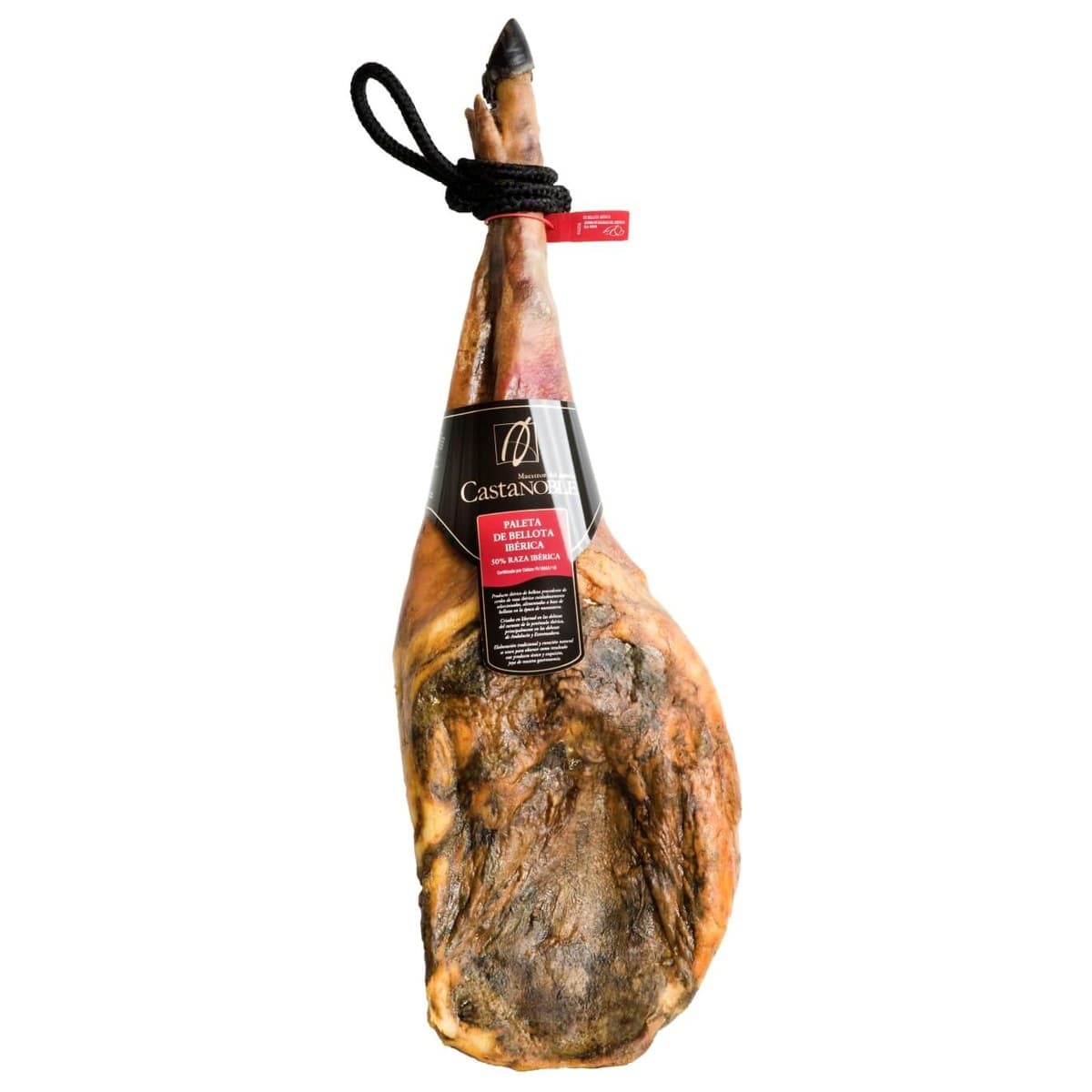
Cebo (grain-fed), cebo de campo (free-range grain-fed) or bellota (acorn-fed): what really changes (and which to choose)
Three words on the label that determine the price and the flavour. What the pig eats in each case, how it shows in the slice and which one suits each table, without overselling any of them.
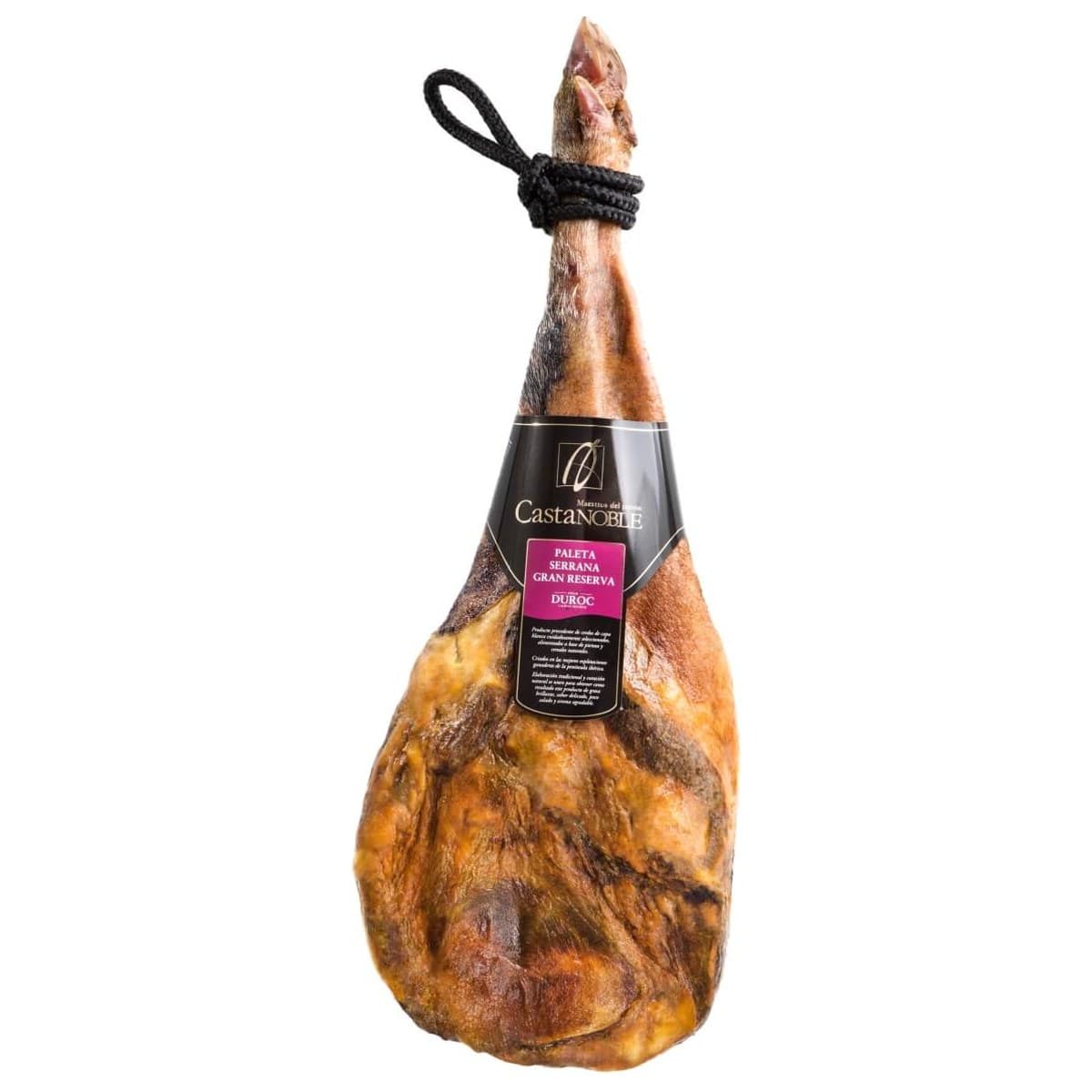
How to choose the weight of the ham and its degree of curing (so there is neither too much nor too little)
Once the quality is chosen, there are two decisions that almost nobody explains: what weight to order and what degree of curing. How much of each piece is usable, how many it serves and what each degree means.
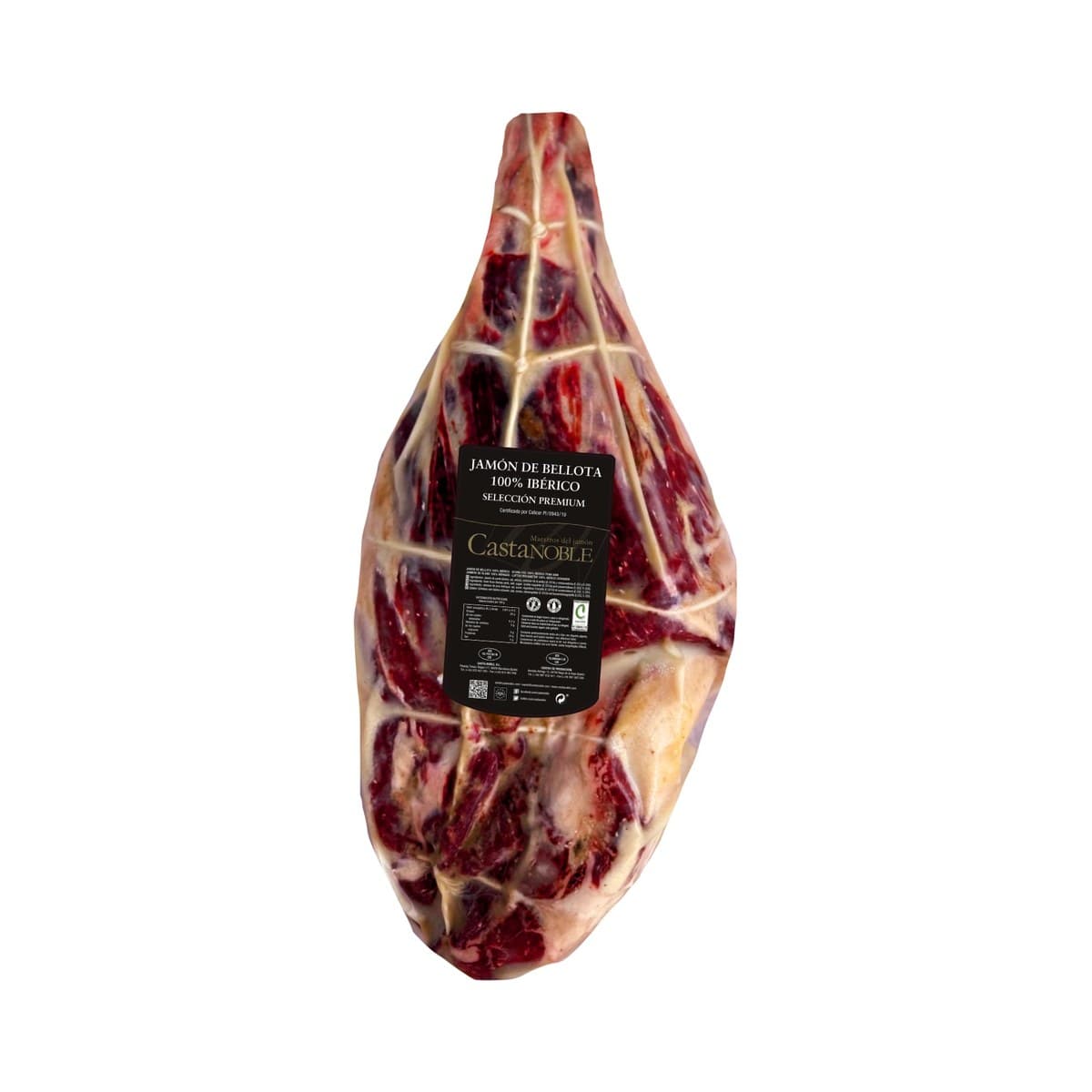
Whole, boneless or sliced ham: which format to give (and to whom)
The same piece can be the perfect gift or a nuisance, depending on the format. Whole, boneless or sliced: what each one involves and who it is for.
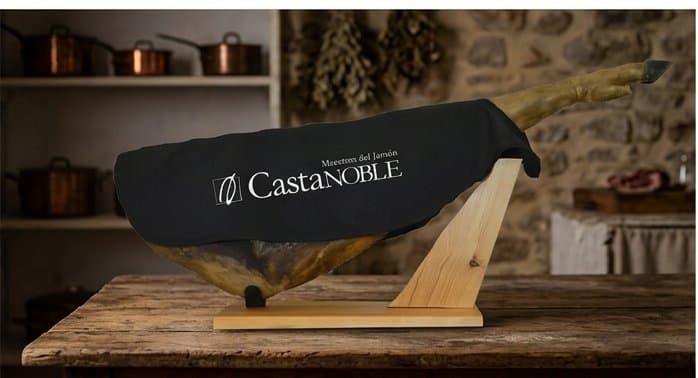
How should you store Iberico ham once opened?
Practical tips for storing boneless and sliced Iberico ham once opened, keeping its flavour and aroma intact.
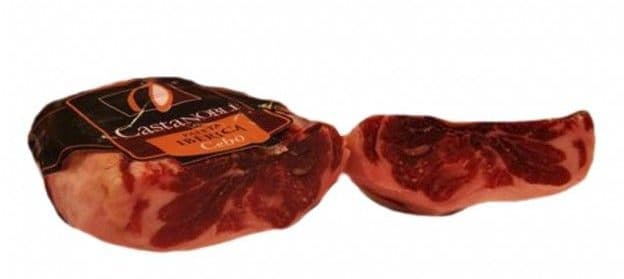
Difference between Iberico shoulder and Iberico ham
Iberico shoulder and Iberico ham come from the same pig, but they differ in size, yield, curing, flavour and price. We explain the key points for telling them apart.