
Iberico shoulder and Iberico ham: rearing and fattening the Iberico pig
The Castanoble team · 6 min read
Published on 16 March 2017 · Updated on 9 July 2026
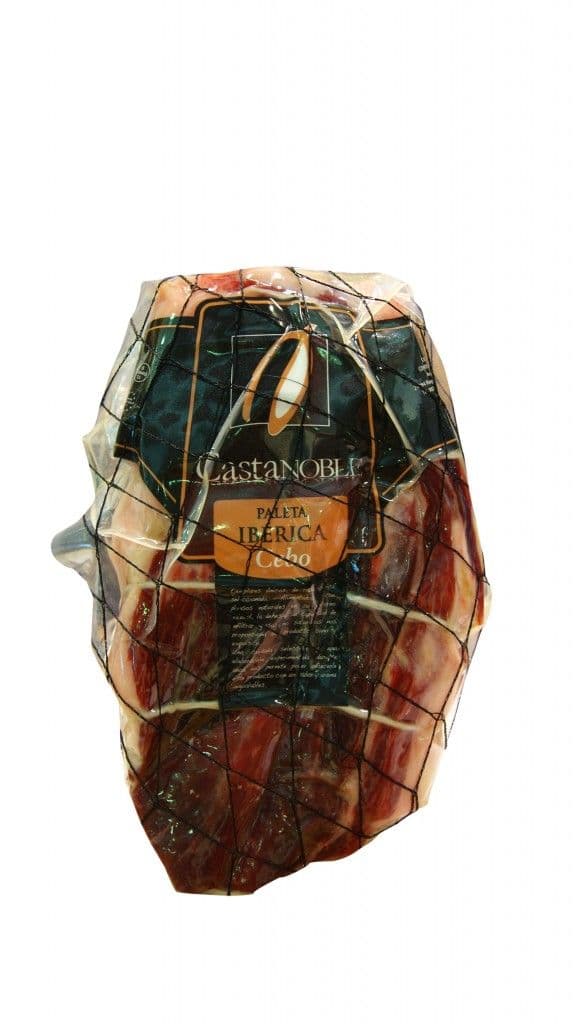
When we talk about Iberico ham or Iberico shoulder, we tend to focus on the cut, the aroma or the marbling of the fat. But all of that begins much earlier, in the countryside. The rearing and fattening of the Iberico pig determine much of the quality of each piece. In this article we look at that journey, from the birth of the piglet to the dehesa, with practical tips for buying and serving these pieces at home.
Rearing the Iberico pig
The Iberico pig is a breed characteristic of the Iberian Peninsula. It yields high-quality products such as ham, Iberico shoulder, chorizo and cured loin (lomo), among others, which are highly prized internationally for their exquisite flavour. The quality of the Iberico pig is largely due to the rearing method used for the animals, which live outdoors in dehesas.
Dehesas are large expanses of countryside, formed around Mediterranean woodland, in rural areas of the west and south-west of the peninsula. All kinds of agricultural activity take place in them, such as rearing a wide variety of livestock; land is also set aside for hunting, and the resources of the woodland are put to use. Holm oaks and cork oaks grow in a dehesa, providing the animal with a diet rich in acorns and other wild herbs.
The females become pregnant naturally between 8 and 12 months of age, at an average weight of 65 kg. The herds have sheds for farrowing and feeding their piglets. The gestation period lasts three months, three weeks and three days, with litters of between 4 and 6 piglets. Thanks to the natural environment in which they live, the mothers suckle their young with all the necessary nutrients until the piglets reach a weight of 23 kg.
Fattening the Iberico pig
When the rearing period ends, a low-energy, high-fibre feed is added to their diet to strengthen the musculature and bone structure. Before slaughter, the animal must be at least 14 months old and must have been fed a diet rich in acorns, roaming freely in the open setting of the dehesa, for a minimum of 60 days. This generally takes place between October and February, when the acorns fall from the holm oaks and cork oaks.
The highest-quality Iberico pigs eat up to a tonne of acorns over their lifetime.
In the case of grain-fed (de cebo) or free-range grain-fed (de cebo de campo) Iberico pigs, cereals are also added to the diet for fattening in the last stage of life. To be called free-range grain-fed, the animal must have spent a minimum of 60 days in the countryside, on an extensive farm or outdoors; otherwise it is grain-fed, fed on cereals in an enclosed facility.
After slaughter, at the abattoir, the butchering and subsequent production of the different products are essential to preserve the highest quality.
Acorn-fed (de bellota), free-range grain-fed and grain-fed: what each name means
As we have just seen, the animal's diet and way of life in its final stage give the piece its name. In short: the acorn-fed pig feeds on acorns and herbs, roaming freely, during the season when the acorns fall; the free-range grain-fed pig combines cereals with a minimum of 60 days in the countryside; and the grain-fed pig is fed cereals in an enclosed facility. That name, together with the percentage of Iberico breed, is the first thing to check on the label.
Having several designations does not mean that some pieces are good and others are not. They reflect different rearing methods, with different prices and different nuances of flavour. An acorn-fed piece makes sense for a special occasion; a grain-fed or free-range grain-fed one is an excellent choice for every day. What matters is knowing what you are buying and paying the price that corresponds to each category.
Ham or shoulder? How to choose the piece
Ham comes from the pig's hind legs and shoulder from its front legs. Both pieces come from the same animal and the same rearing we have described; what changes is the size, the shape and the ratio of meat to bone. The shoulder is smaller, so it is started and finished sooner. This is an advantage in households with moderate consumption, because the piece does not spend weeks open. The ham, being larger, offers a greater yield and is the natural choice when there are many diners.
If you are buying a whole piece for the first time, a shoulder is usually a good way in: it needs less space, takes less time to finish and requires a smaller outlay. And anyone who would rather not carve at home will also find sliced hams and shoulders, ready to open and serve.
Tips for serving and enjoying it at home
All that rearing in the dehesa is best appreciated with a few simple steps at the table. Ham and shoulder should be served at room temperature, never straight from the cold: as they come up to temperature, the fat regains its sheen and releases all its aroma. The thinner the slices, the better: almost transparent, bite-sized and with their share of fat, which is where much of the flavour lies. And it is best to cut only what is going to be eaten straight away.
To store a piece once it has been started, the age-old rule applies: keep it in a cool, dry place, away from heat sources and direct light, with the cut surface protected by its own fat or a clean cloth. Sliced formats should be stored as indicated on the packaging, and it is advisable to open them a while before serving so that the slices come up to room temperature.
What is the montanera?
Montanera is the season when acorns fall from holm oaks and cork oaks, generally between October and February, and the pigs feed on them freely in the dehesa. It is the final fattening phase that gives acorn-fed products their name.
What is the difference between grain-fed and free-range grain-fed?
In both cases the animal is fed cereals in its final stage. The difference lies in its way of life: to be called free-range grain-fed, the pig must have spent a minimum of 60 days in the countryside, on an extensive farm or outdoors, whereas the grain-fed pig is fed in an enclosed facility.
Does Iberico shoulder come from the same pig as the ham?
Yes. The shoulder comes from the front legs and the ham from the hind legs, but both pieces come from the same animal, with the same breed, rearing and diet. The differences lie in size, shape and yield, not in origin.
Why is the dehesa so important?
Because it brings together the three things that determine the quality of Iberico: space to move, life outdoors and a natural diet rich in acorns and wild herbs. That way of life later shows in the texture and flavour of every slice.
If you want to taste the result of this rearing in the dehesa, here is our 100% Iberico Acorn-Fed Shoulder.
View 100% Iberico Acorn-Fed Shoulder