
What is cecina: a guide to a cured treasure
The Castanoble team · 6 min read
Published on 28 August 2015 · Updated on 11 October 2026
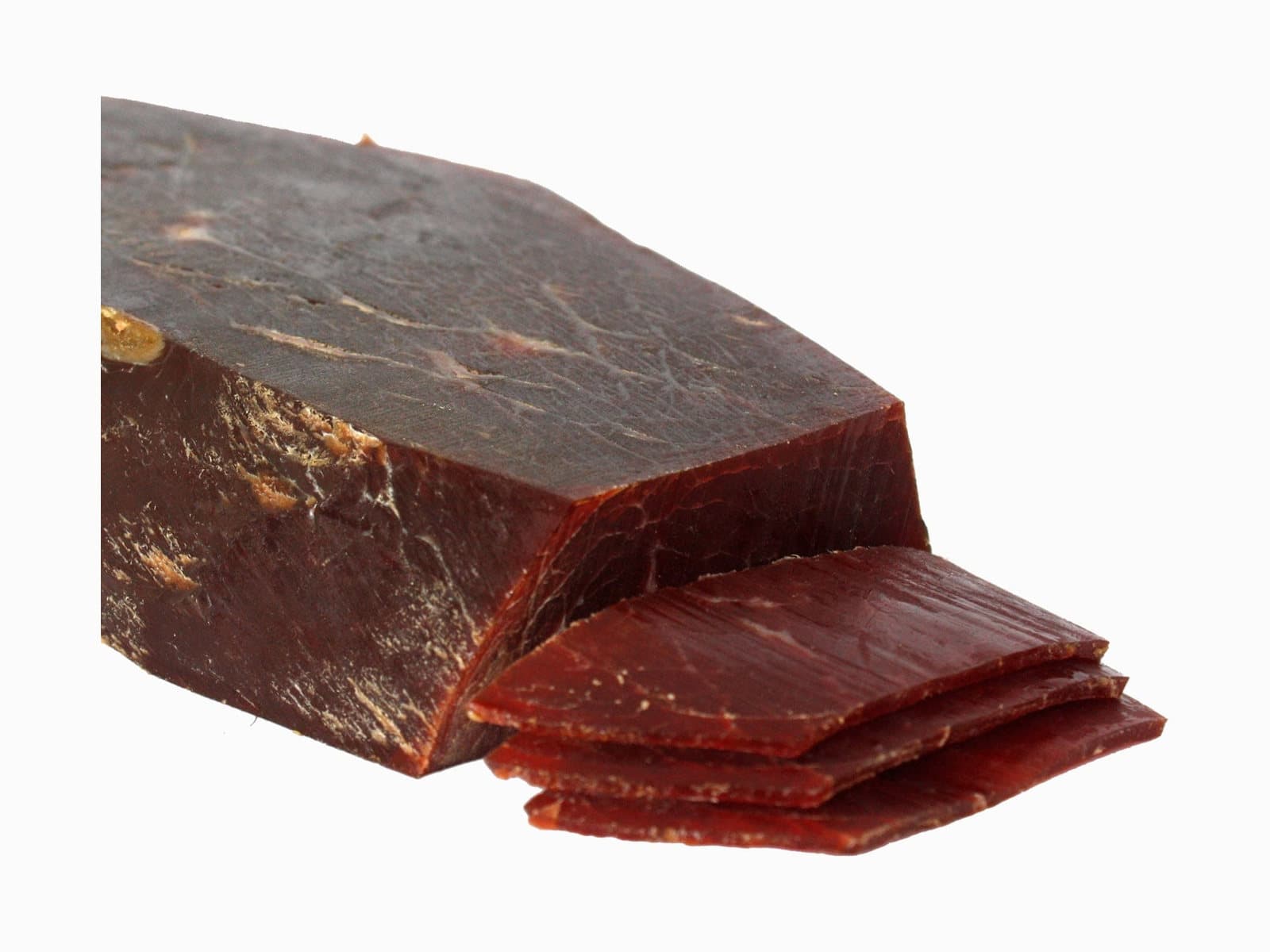
Cecina is salted, air-cured meat. The word comes from the Vulgar Latin siccina, ‘dried meat’, and the Diccionario de la lengua española defines it as ‘salted meat, lean and dried in the air, in the sun or by smoke’. The Spanish quality standard for meat products (Royal Decree 474/2014) describes it as the product made from meat from the hindquarters or forequarters, which is salted and then cured for long enough to acquire its aroma and flavour; it may or may not be smoked. Neither of the two limits it to one animal: there is beef, horse and kid cecina. The most widespread in Spain, and the only one we make, is beef cecina.
Cecina is one of those products that, once you have tasted it well made, you never forget. Air-cured beef, with an intense garnet colour and a deep flavour reminiscent of ham but with a character all its own. At Castanoble we only make high-quality cecina, naturally cured in the province of León, and we slice and pack it in our workshop in Barcelona.
Cecina in four facts
- What it is: salted, air-cured meat.
- Which animal: ours is beef; there is also horse, kid and venison cecina, which are sold under that name.
- Which cut: ours comes from the hindquarter: knuckle (babilla), topside (tapa), silverside (contra) and rump (cadera).
- How it is eaten: in very thin slices and at room temperature.
Which part of the cow does cecina come from?
Quality cecina is made from the four prime cuts of the beef hindquarter: the knuckle (babilla), the topside (tapa), the silverside (contra) and the rump (cadera). Each has its own texture and marbling, but they all share the essentials: meat from adult animals, which provides the concentrated flavour that defines a good cecina. We work exclusively with these select cuts: we do not make just any cecina.
Is cecina made from horse?
The most widespread cecina in Spain is beef – some call it ‘beef ham’ – and it is the only one we make: mature cattle, from cows at least 5 years old and up to animals of 12. There are also cecinas from other animals – horse, kid or venison, for example – which are usually sold under that name (‘horse cecina’, ‘kid cecina’). And the ‘cecina de res’ of some Latin American countries is a different product: meat in thin fillets, salted and dried for a short time, without the long curing of ours.
Is cecina eaten raw?
Cecina is not cooked: it is cured with salt and months of air-drying, like ham. Royal Decree 474/2014 classifies it among meat products ‘not heat-treated’: it is a cured product, not a cooked one, and it is served as it is, freshly cut.
How it is made: just the right salt and a long natural cure
The process is traditional and calls for patience. First the piece is salted to dehydrate and preserve it; we always aim for the optimum amount of salt, neither too much nor too little, because a good part of the final result depends on it. It is then washed and left to rest. Then comes the longest stage: drying and curing in the open air, naturally, for many months. It is this slow cure that concentrates the flavour and gives cecina its characteristic texture.
The climate of the north-west, dry and cold in winter, is what allows cecina to cure slowly and naturally. The province of León has for centuries been the great land of cecina in Spain.
A note on designations
There is a specific Protected Geographical Indication for a certain cecina from the province, managed by its regulatory council and with its own product specification. It is a European quality mark that only producers registered with it may use. Our cecina is made in the province of León, but it is not covered by that protected indication: it is beef cecina of our own making. What really makes the difference in any cecina is carefully selected raw material and a well-executed natural cure, and that is where we put all our craft.
What does cecina provide?
What defines it best is protein: 38 grams per 100, according to the analysis on our label, with 8.8 grams of fat and no sugars. Like any cured product it contains salt (4 grams per 100), so it is best enjoyed in small portions as part of a varied diet. The full figures, and what can be claimed from them without exaggeration, are in the article on its benefits.
How to eat cecina
The purest way is in very thin slices, at room temperature, with a drizzle of good extra virgin olive oil and a few flakes of salt. But cecina is very versatile in the kitchen: as a carpaccio with shavings of mature cheese, in a gilda skewer with olive and chilli pepper, on a pizza fresh from the oven or even in place of ham in a dish of melon. Its intense flavour pairs wonderfully with sweet and acidic notes.
- In thin slices with extra virgin olive oil and salt flakes: the classic.
- Cecina carpaccio with cheese and rocket.
- Cecina gildas: the appetiser that wins everyone over.
- On toasts, pizzas or creamy soups to finish off the dish.
Our cecina, to your table
At Castanoble we select only high-quality pieces and cure them naturally, with just the right amount of salt and a long curing time. We then slice and pack them in our Barcelona workshop so that they reach you at their best. You can order it as a piece or in vacuum packs, ready to enjoy.
Would you like to try it?
Buy beef cecina