
Types of ham: how to choose
Choosing a ham shouldn't be an act of faith. Iberico or serrano, grain-fed (de cebo) or acorn-fed (de bellota), ham or shoulder, whole or boneless: every word on the label means something specific, and knowing them is the difference between buying blind and buying wisely.
Here we explain, without unnecessary jargon, what we've been answering in our shop for half a century: what really sets an Iberico ham apart from a serrano, what changes between grain-fed pigs and the acorn-fed montanera, how to read a label and when a shoulder makes more sense than a ham. You'll also find what happens inside the curing house — the curing, the months, the craft — because understanding how it's made is the best way to know what you're buying.
Iberico lomo, chorizo and salchichón: how they differ and how to choose them
The three classic Iberico cured sausages, explained plainly: which part of the pig each one comes from, what the words on the label mean and how to cut, serve and store them so that they reach the table at their best.
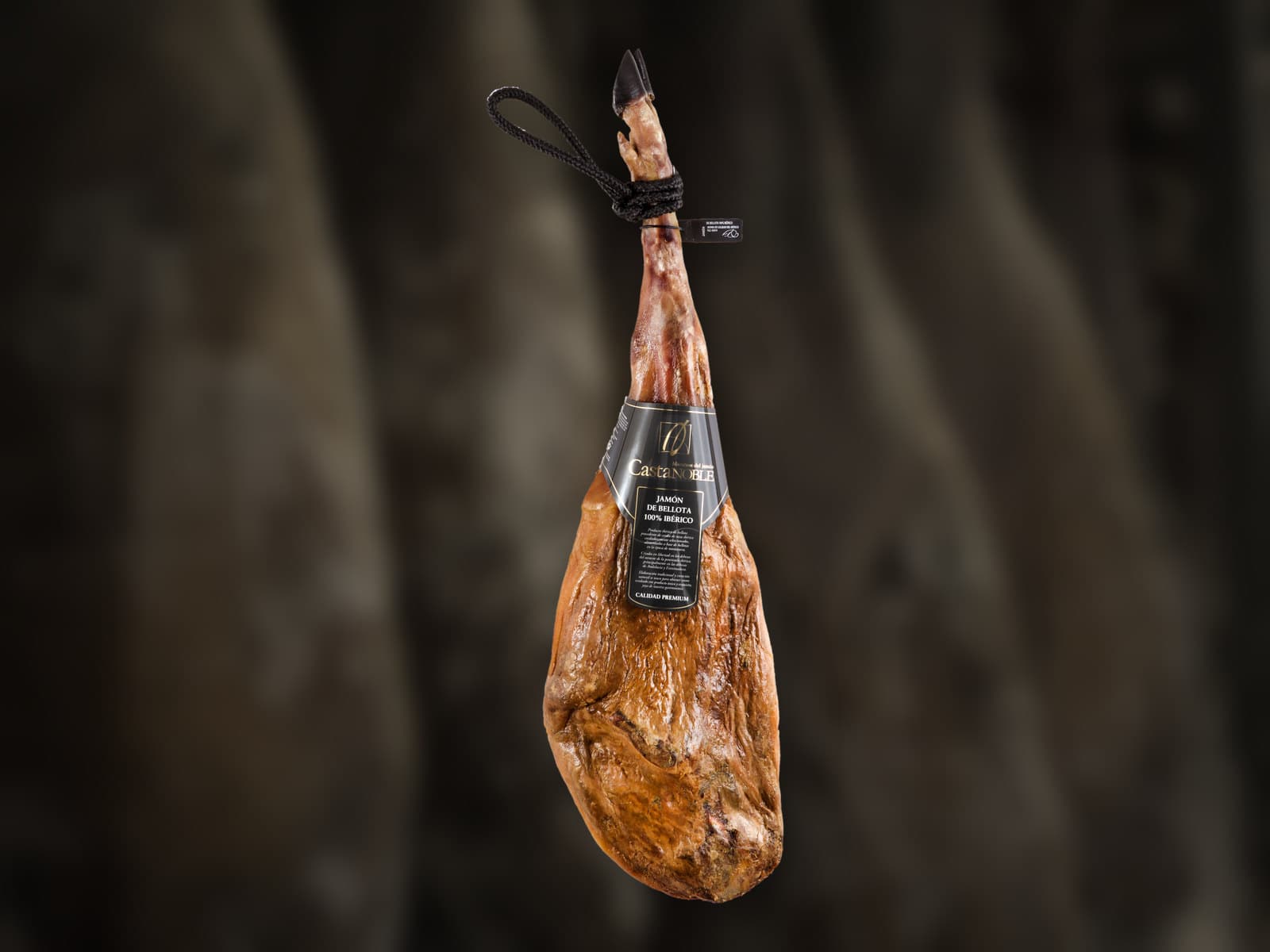
How to choose a good ham: what to decide first and what to look for in the ham itself
Choosing a good ham means making four decisions, in order: which pig, what quality, what size and what format. And knowing what to look for on the label and with the ham in front of you.
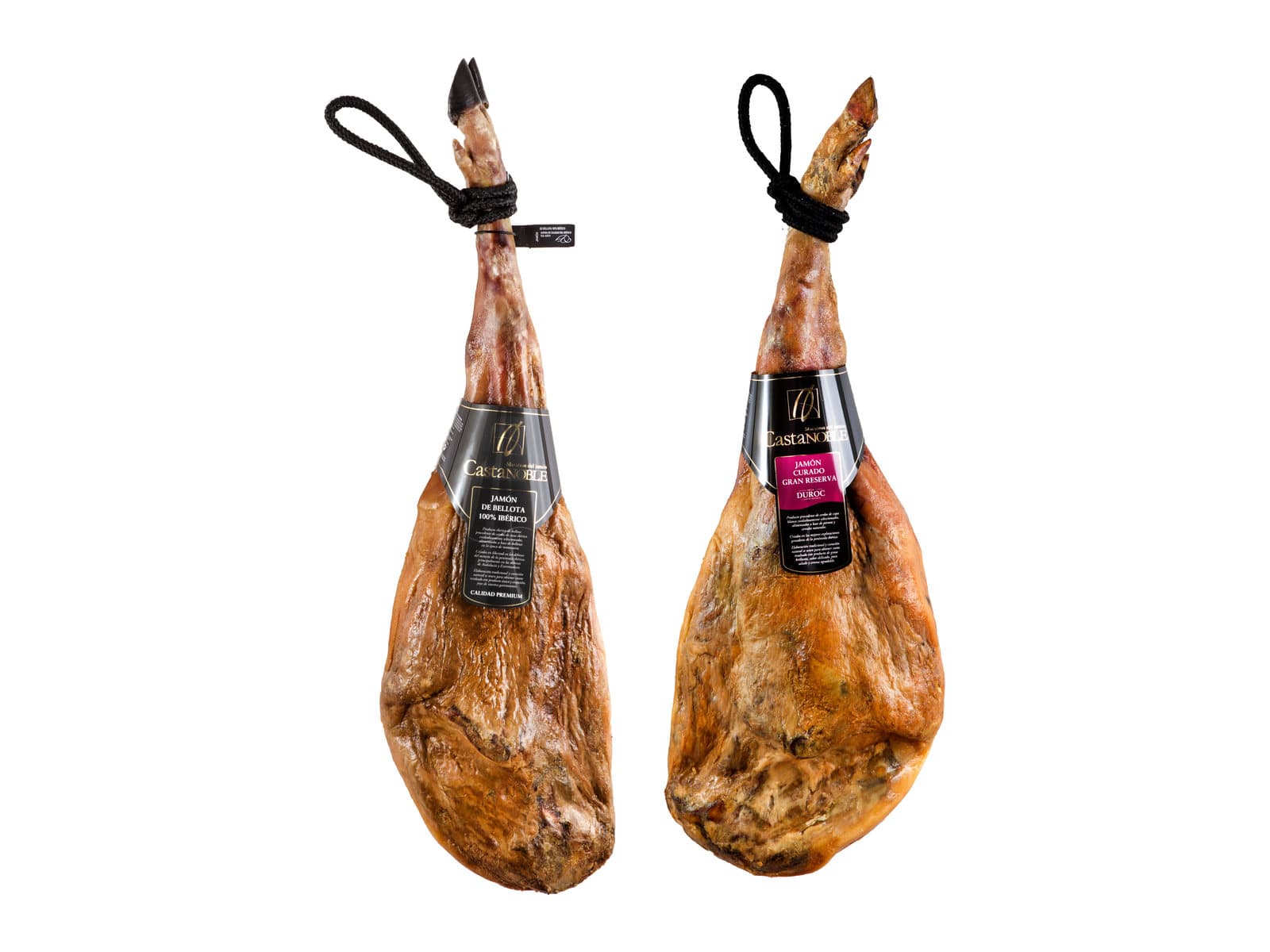
Differences between Iberico ham and Serrano ham
The fundamental difference is the breed of the pig, and all the others follow from it: the feeding, the curing time, what the label says and the price. Along with what the regulations say about each one.
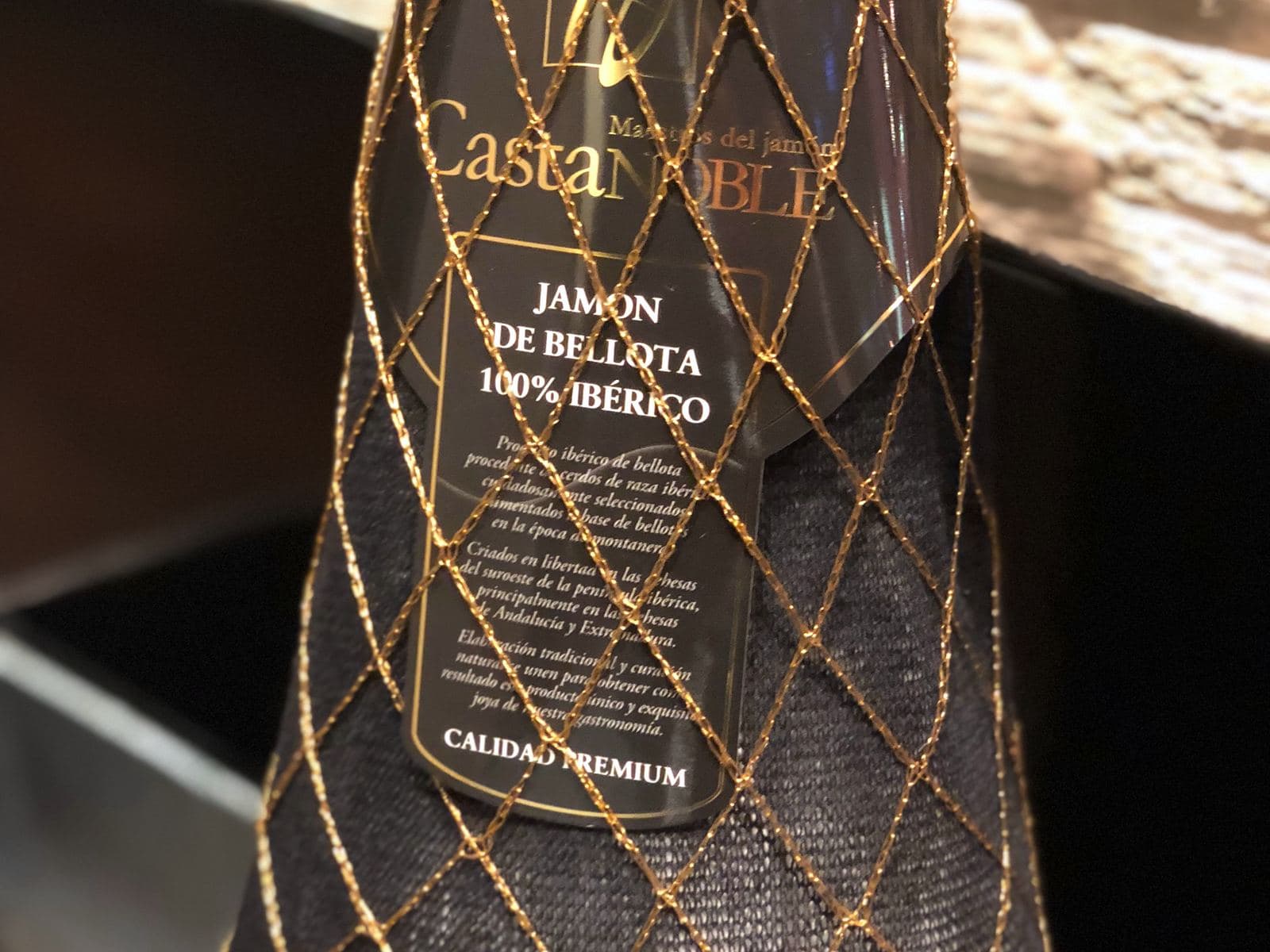
Acorn-fed ham: what it is, how to recognise it and which to choose
‘Acorn-fed’ is not an adjective: it is a category set by law. What the pig must have eaten, which label certifies it, how it shows in the slice and how to choose between the four acorn-fed pieces we cure.
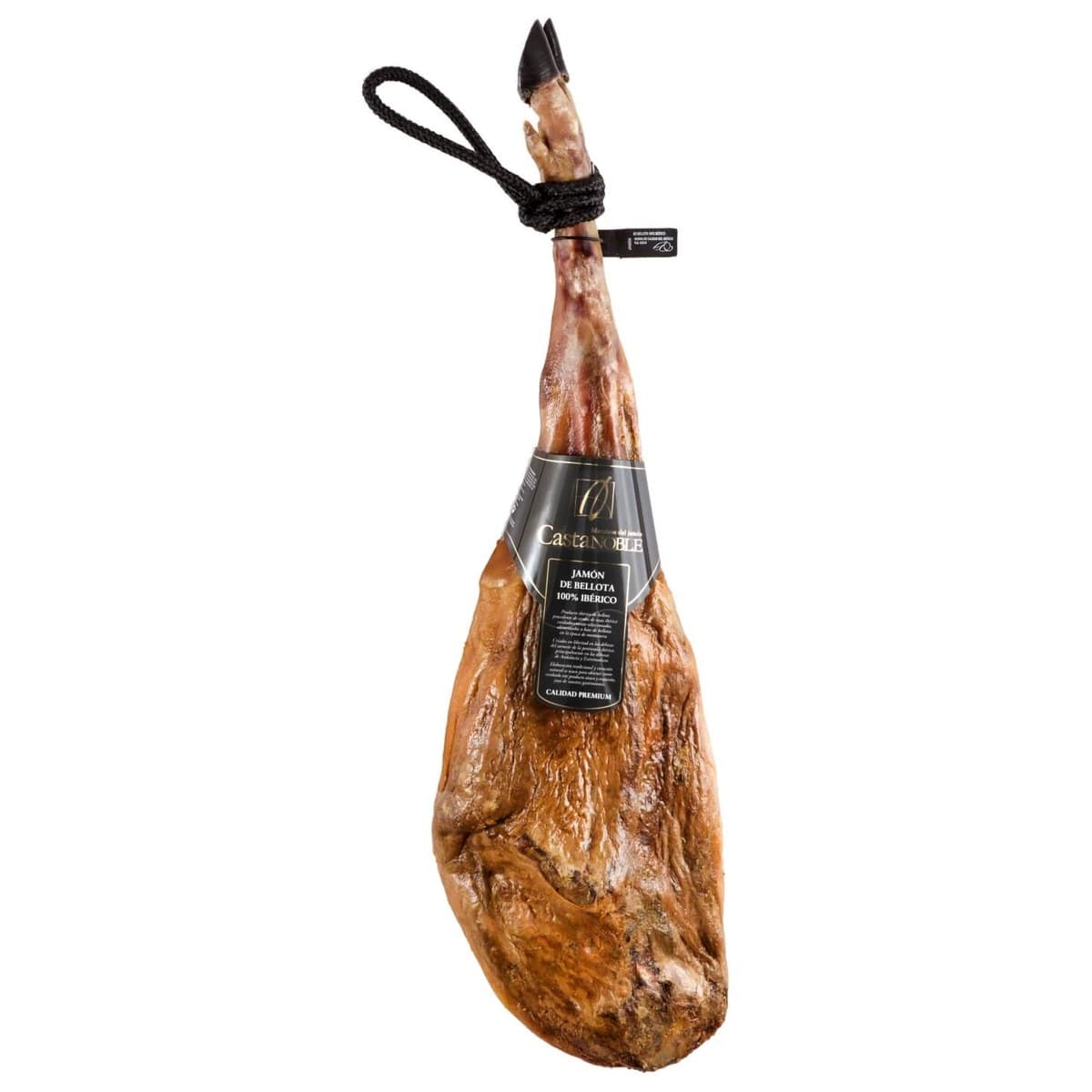
The Iberico ham label: what the black, red, green and white tags mean
Before you look at the price, look at the tag. The four colours of the Iberico Quality Standard state the breed and the diet of the pig, and they leave no room for interpretation. A guide to reading them in a minute.
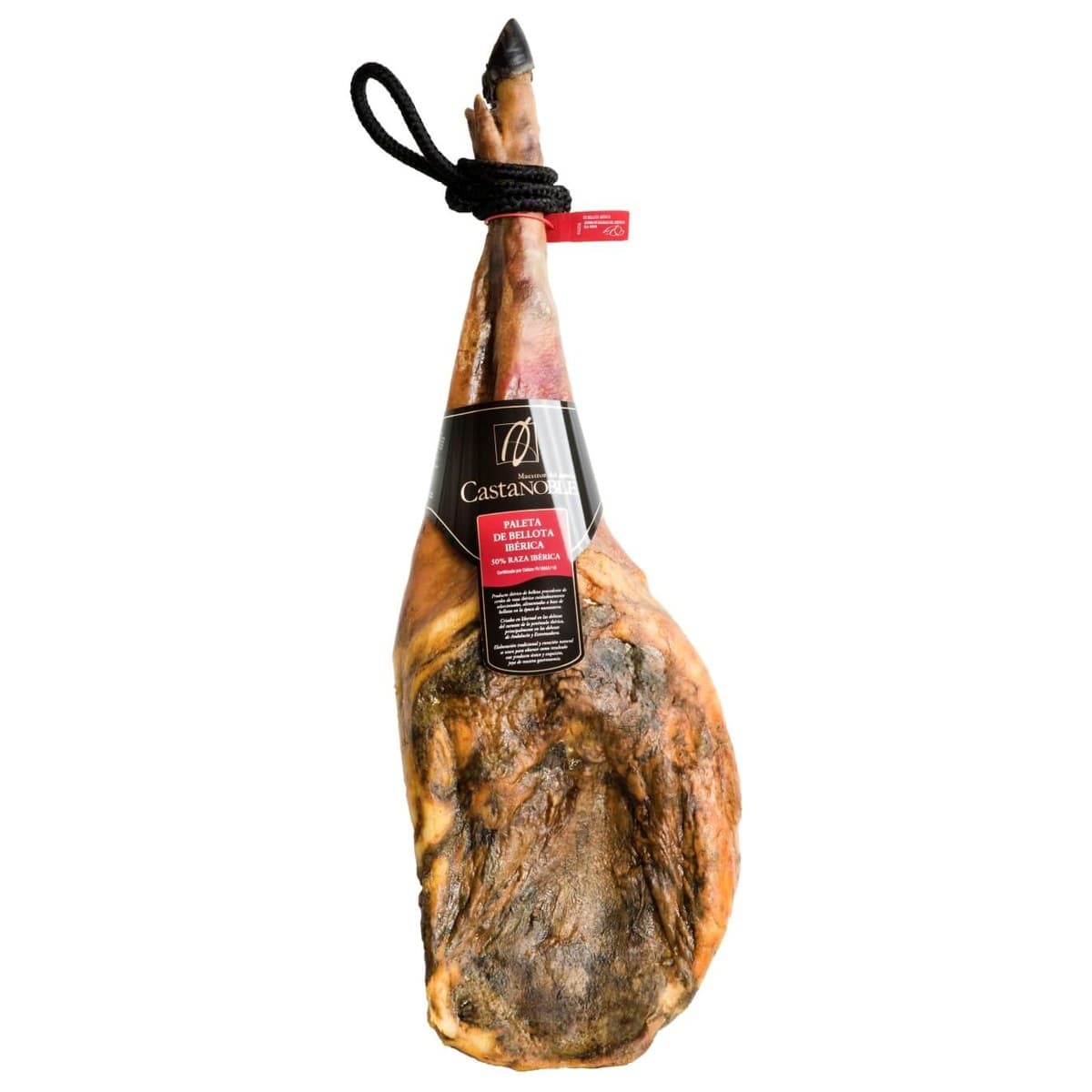
Grain-fed, free-range grain-fed or acorn-fed: what really changes (and which to choose)
Three words on the label that determine the price and the flavour. What the pig eats in each case, how it shows in the slice and which one suits each table, without overselling any of them.
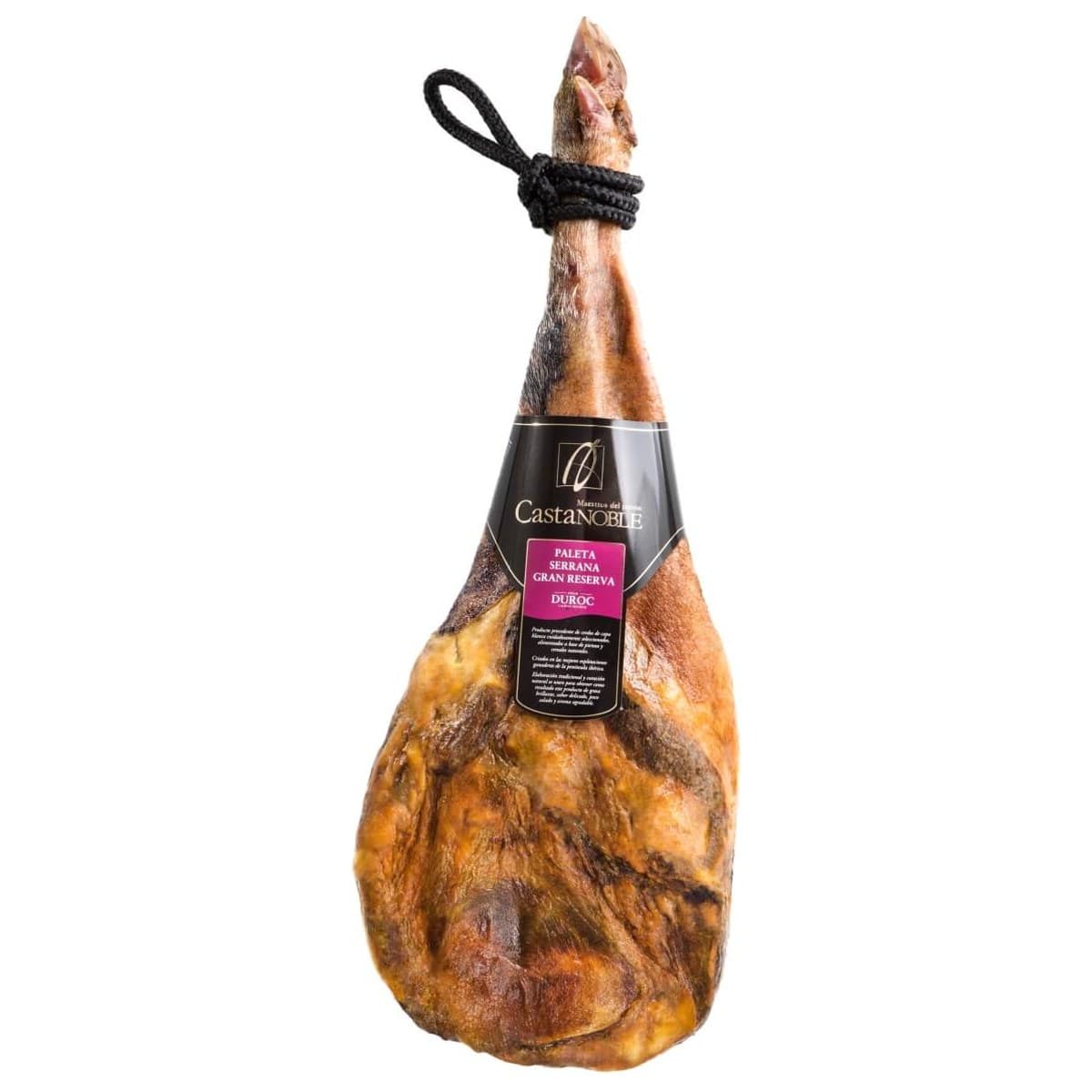
How to choose the weight of the ham and its degree of curing (so there is neither too much nor too little)
Once the quality is chosen, there are two decisions that almost nobody explains: what weight to order and what degree of curing. How much of each piece is usable, how many it serves and what each degree means.

Solar energy at the curing house: the same sun that cures our ham
In Castilla y León we cure with the climate. Since 2022, we also generate power with it: a 72 kW photovoltaic plant at the curing house supplies green energy for curing our pieces.
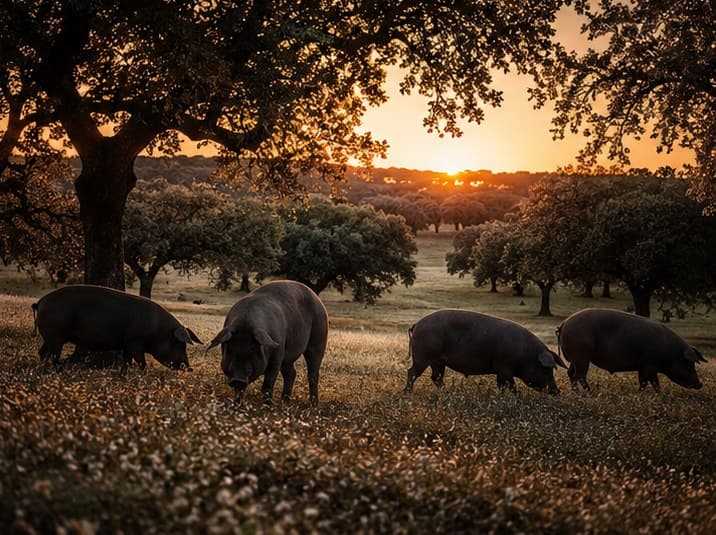
The Iberico pig: origin and characteristics of the breed
We look at what sets the Iberico pig apart from white pig breeds: its origins in the dehesas of the south, its physical characteristics and the role of the Duroc cross.
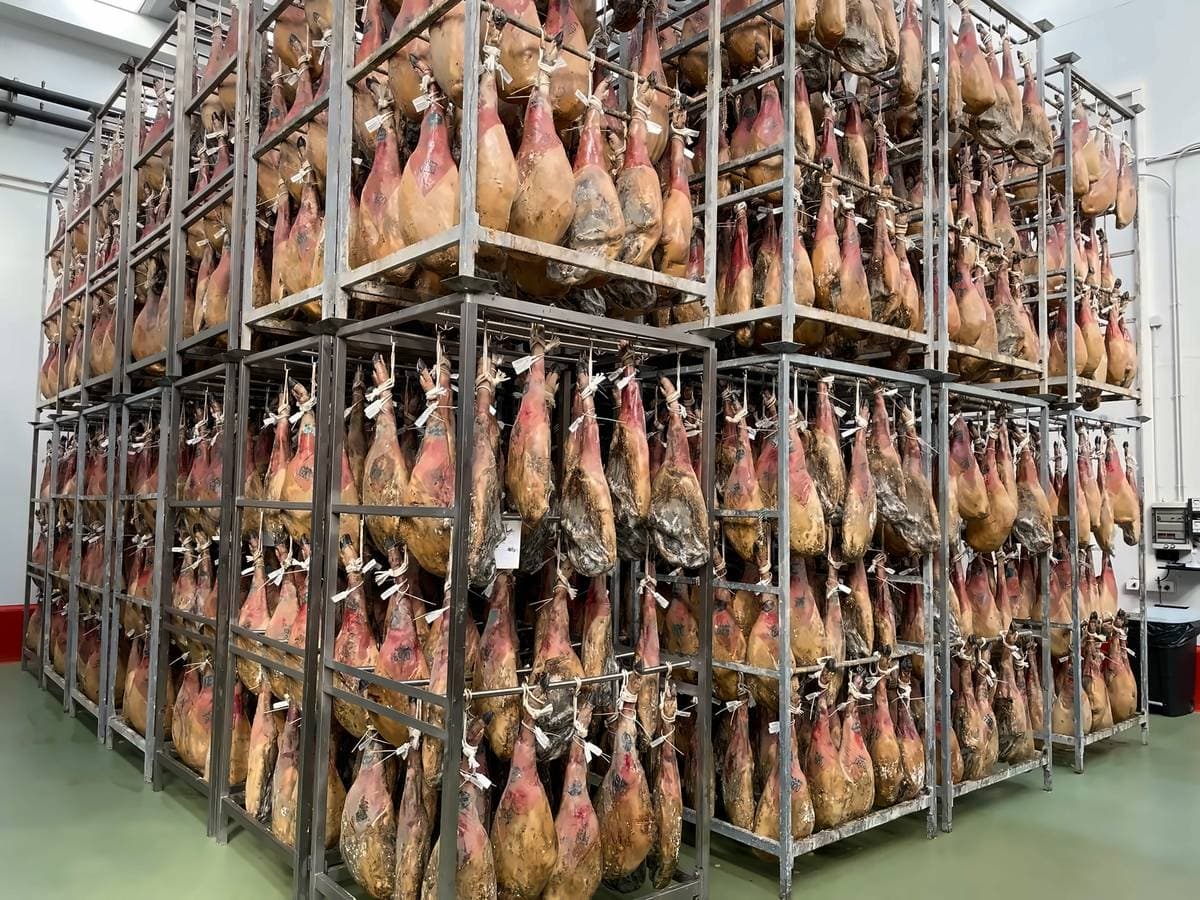
The curing process of Iberico ham
We walk through the curing process of Iberico ham, from salting with sea salt to the years in the cellar, comparing the traditional method with the modern four-stage one.
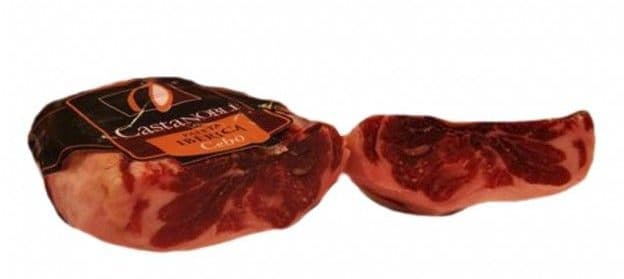
Difference between Iberico shoulder and Iberico ham
Iberico shoulder and Iberico ham come from the same pig, but they differ in size, yield, curing, flavour and price. We explain the key points for telling them apart.
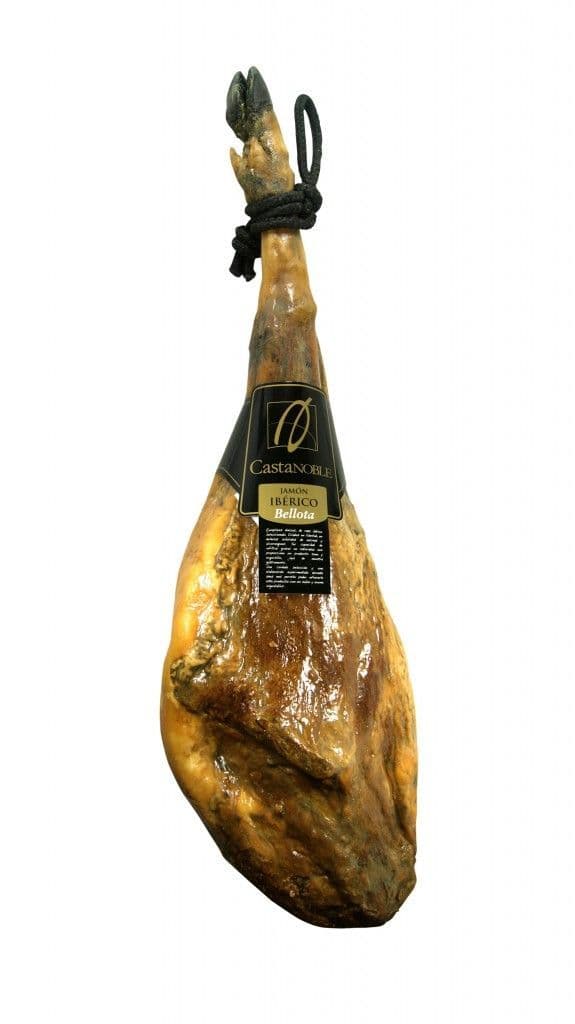
Acorn-fed ham: the characteristics that make it unique
What makes acorn-fed ham unique: the Iberico breed, free-roaming rearing in the dehesa and the marbled fat that gives it its unmistakable flavour and texture.
Iberico ham: how it is made
We take you step by step through the process of making Iberico ham: from raising the pig on the dehesa to curing in the cellar.
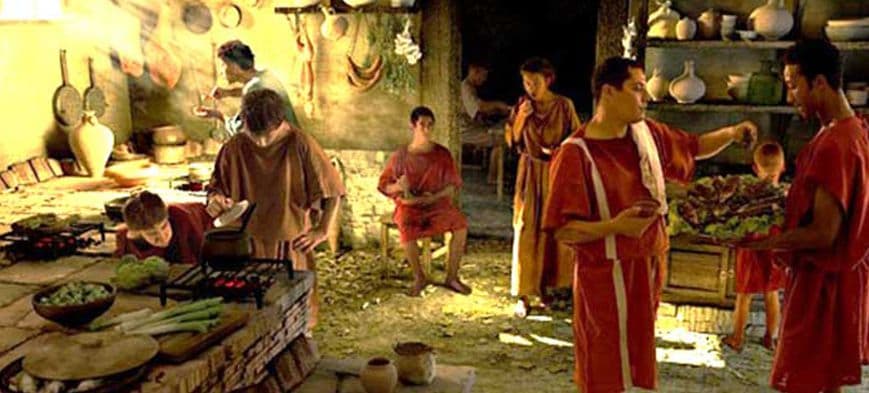
The origins of ham
A look back at the origins of ham: how the need to preserve meat by salting it, as far back as the times of the Iberians and Romans, gave rise to one of the great treasures of Spanish gastronomy.
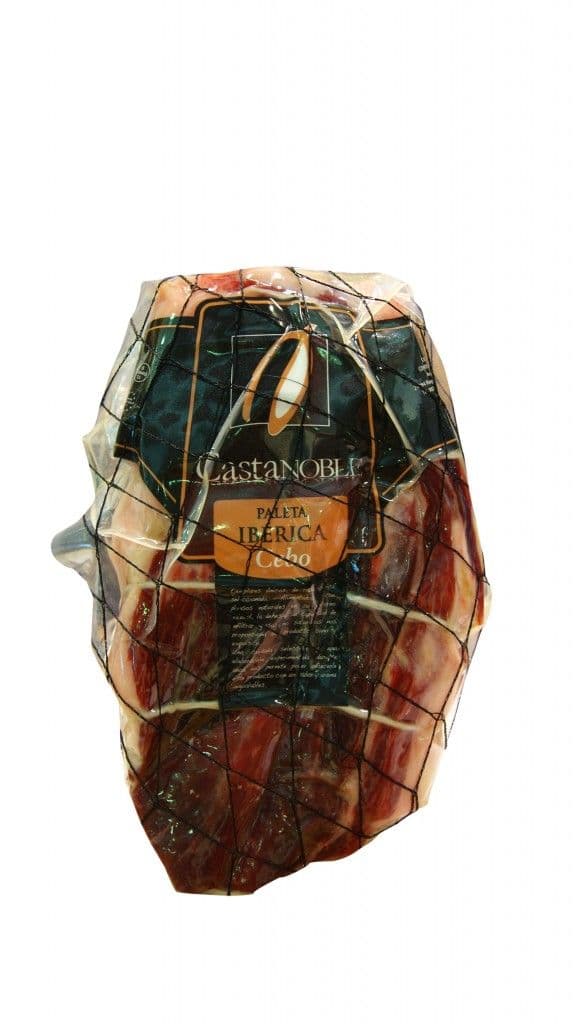
Iberico shoulder and Iberico ham: rearing and fattening the Iberico pig
The quality of Iberico ham and shoulder begins in the dehesa: we look at how the Iberico pig is reared and fattened, from birth to the montanera.
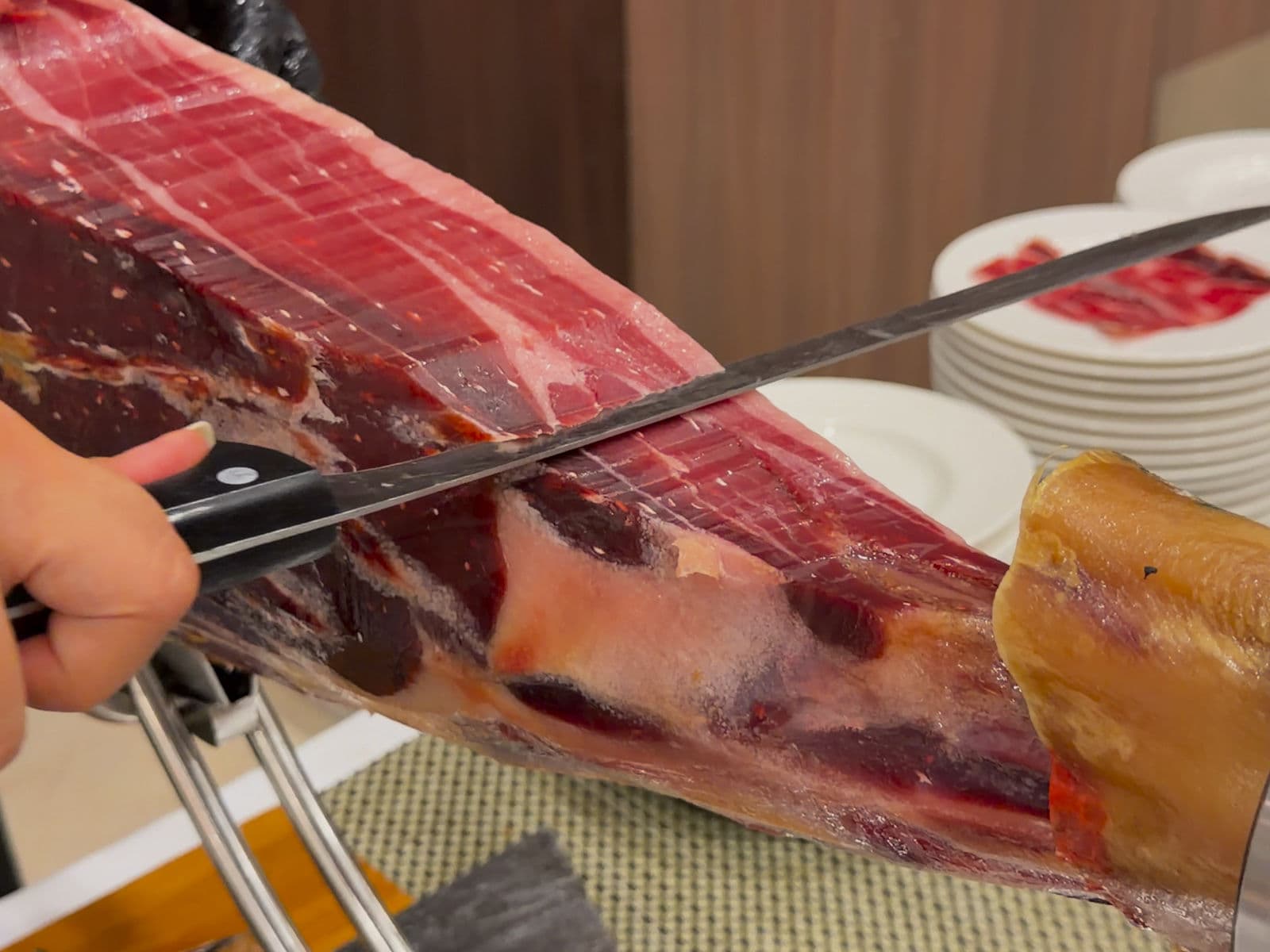
The secret of Iberico acorn-fed ham: the dehesa and the acorns
Free-range rearing on the dehesa and an acorn-based diet are the keys that give Iberico acorn-fed ham its unique flavour and character.
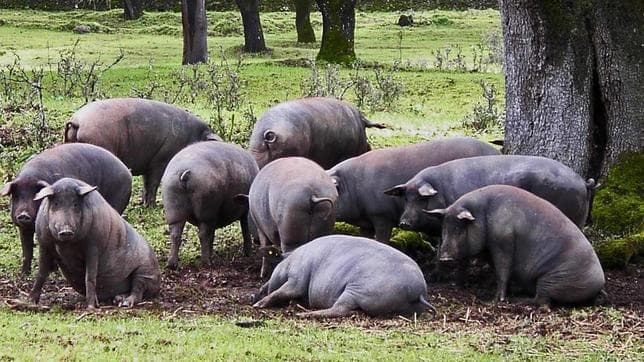
What is the montanera of the Iberico pig?
The montanera is the final stage in raising the Iberico pig, when it fattens on acorns and pasture on the dehesa. We explain when it happens and why it is key to acorn-fed ham.
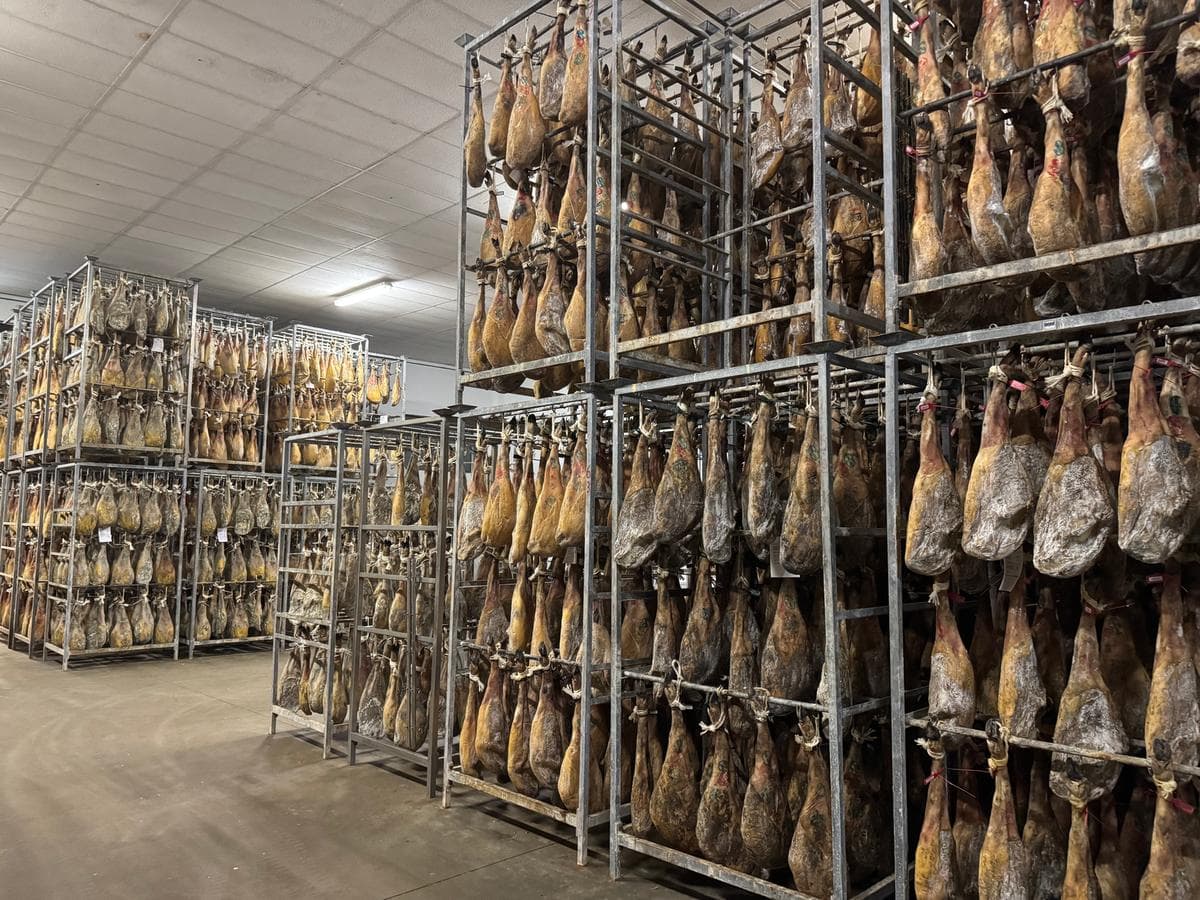
The months of curing ham
We look at how many months of curing Iberico ham, shoulder and Serrano ham need, and why a longer maturing time does not guarantee higher quality.