
How to store ham
Ham is a living product: it keeps evolving from the moment it leaves the curing house until the last slice. Storing it well doesn't take strange tricks — it takes understanding what it needs: a steady temperature, just the right protection and a little common sense.
In these guides we answer what you ask us most: how to keep a started ham from drying out, what to do with vacuum-packed sliced ham, whether those white spots are good or bad (spoiler: almost always a very good sign) and at what temperature to serve it so it releases all its aroma. All told from the experience of people who cure the pieces and want them to reach your table just as they left our workshop.
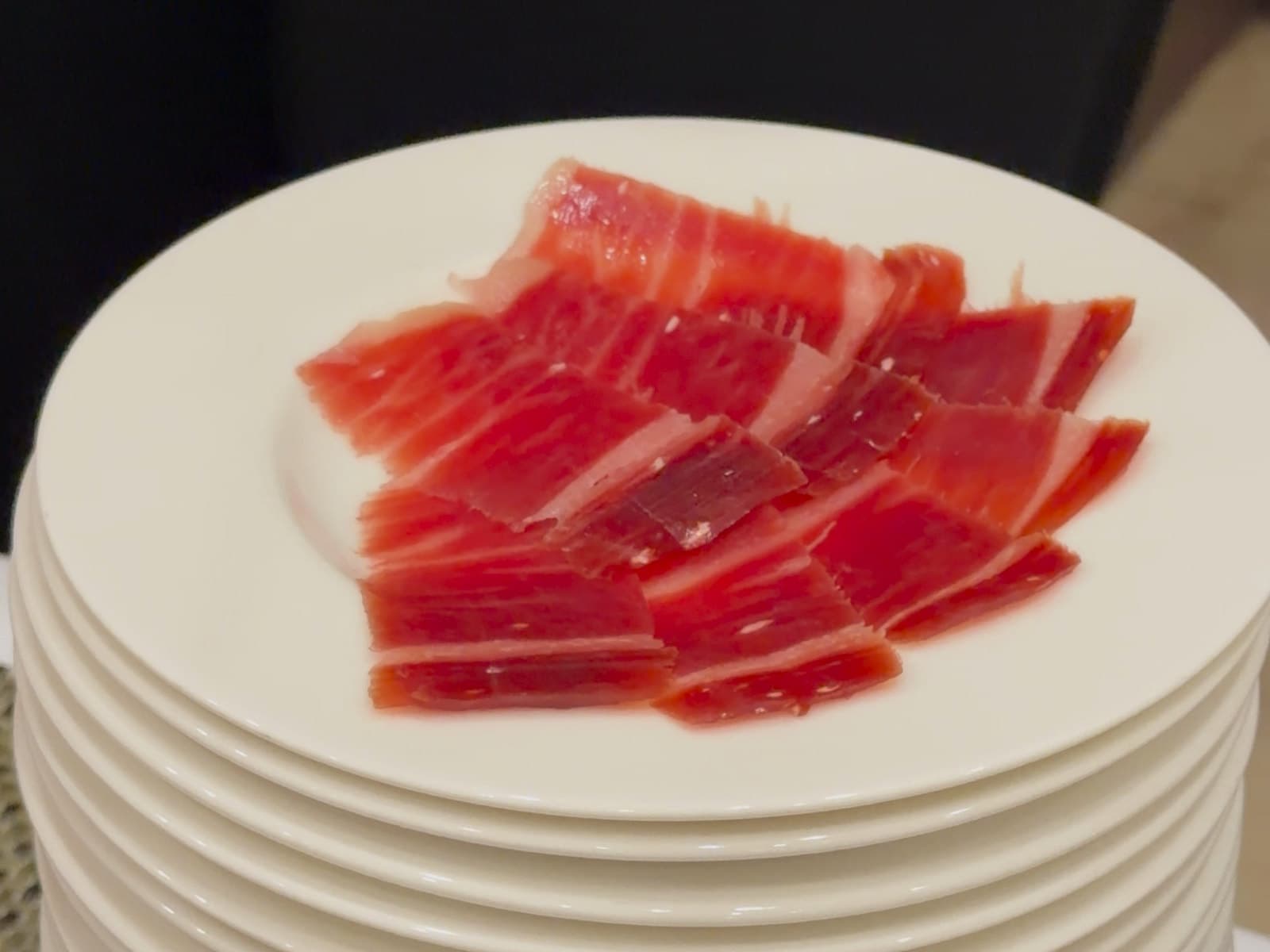
How to serve and present ham so it is just right
A slice should reach the table juicy and glossy. What is missing is almost never the ham, but the temperature: what to do in the ten minutes beforehand.
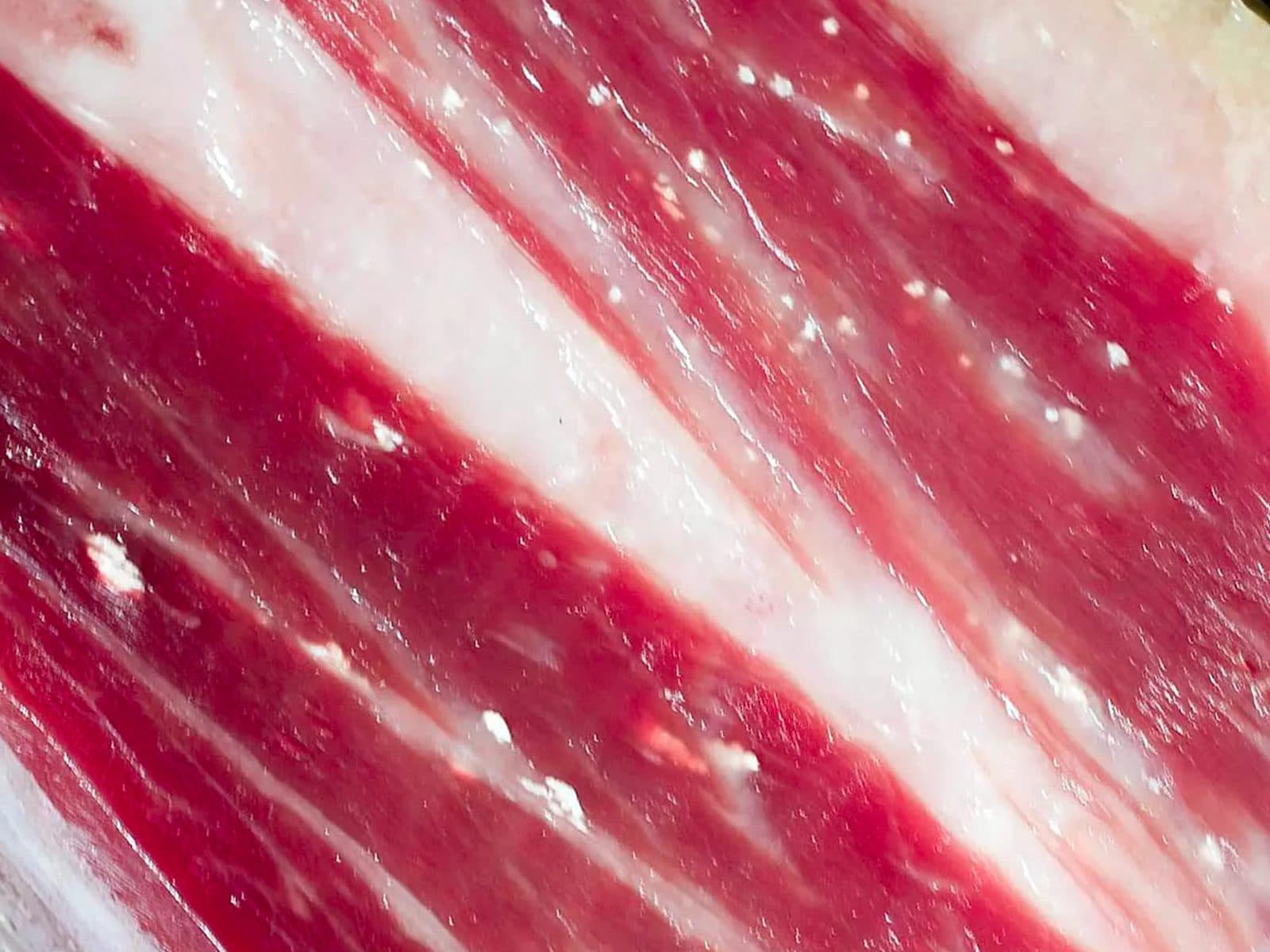
White spots in ham: what tyrosine crystals are
Those small, hard white specks that show up in some slices are tyrosine crystals, an amino acid released during curing. We explain why they appear, what their size indicates and why they are perfectly safe to eat.

How should you store Iberico ham once opened?
Practical tips for storing boneless and sliced Iberico ham once opened, keeping its flavour and aroma intact.
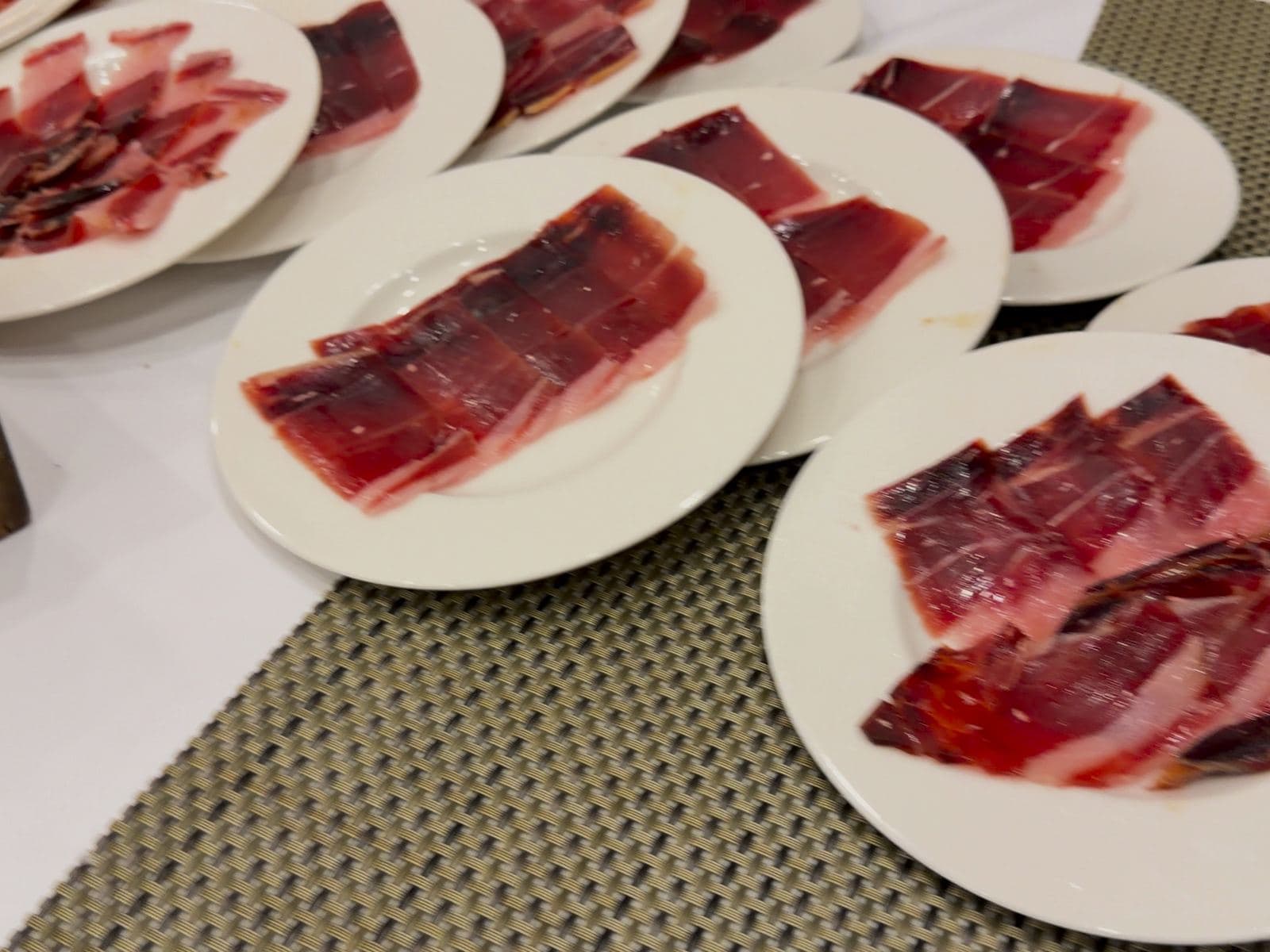
The ideal temperature for Iberico ham
The temperature at which we store and serve ham has a direct influence on its flavour and aroma. A university study puts the ideal point at 14 °C.