
How to store cecina: vacuum-packed, opened, in a piece or sliced
The Castanoble team · 5 min read
Published on 12 September 2026
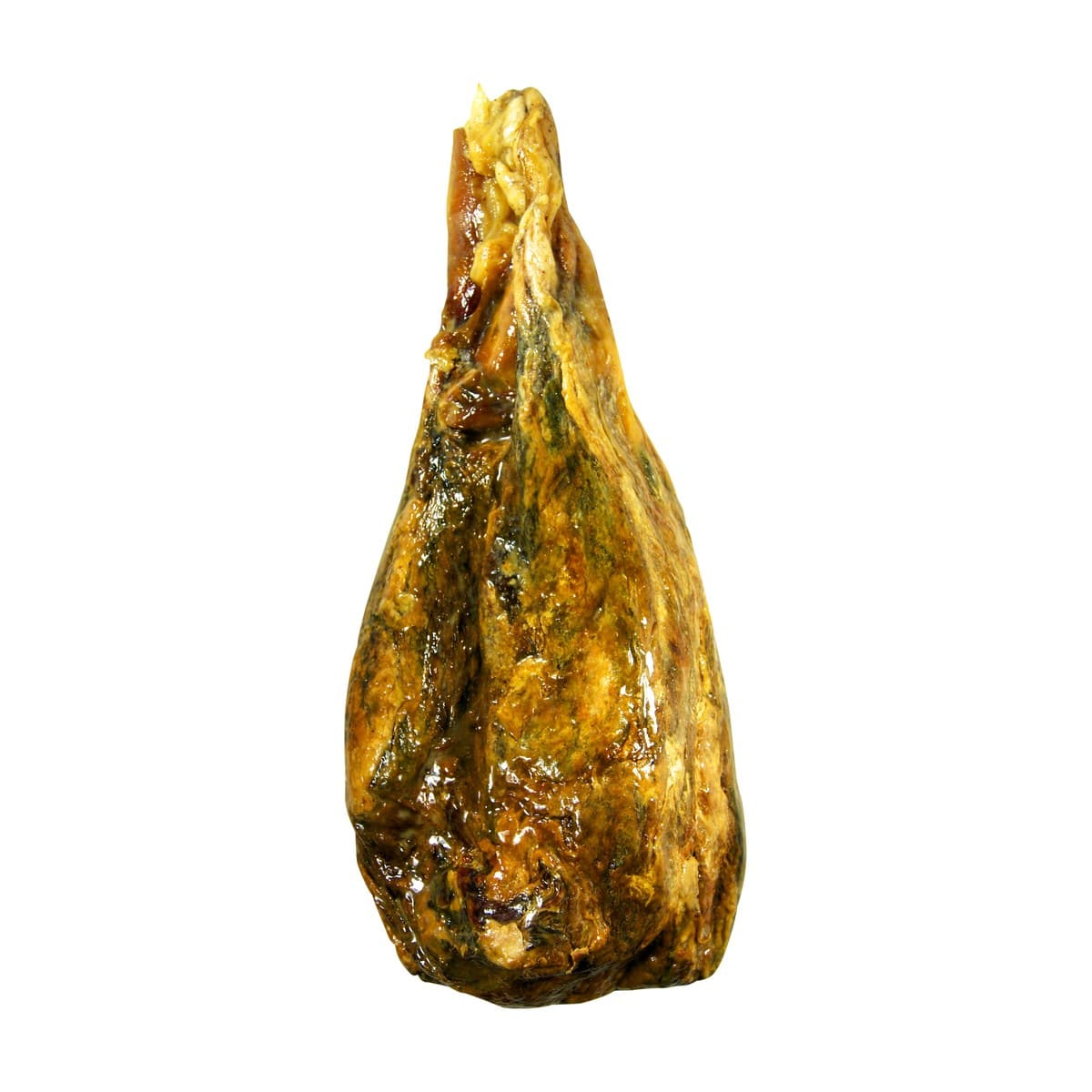
Cecina was born as a way of preserving meat: salt, air and time. A piece that has cured for more than fifteen months is a very stable product, and that is precisely why it's worth not spoiling it at home in the final week. These are the guidelines we give at the counter, format by format, so that it reaches the plate just as it left the curing house.
While the vacuum pack is sealed
Our three formats (the whole piece, the trimmed block and the sliced cecina) leave the workshop vacuum-packed. As long as the bag is sealed and intact, the instructions on the label apply: store it in a cool, dry place at a stable temperature, or in the fridge. Either option is fine; what doesn't suit it are fluctuations: a larder that warms up in the afternoon sun, or the fridge door, which is opened forty times a day.
Before opening, look at the bag. A well-made vacuum pack clings to the meat like a second skin. If the bag has swollen or the liquid you can see inside isn't what you'd usually expect, don't open it to "see how it is": write to us with a photo and we'll sort it out.
The whole piece, once opened
The whole piece is the format that lasts longest and needs the most care, because it will be on display for weeks. Take it out of the bag, dry it with a clean cloth and leave it in a cool, dry place out of direct light, hanging or resting somewhere with good air circulation. Each time you cut it, cover the cut surface with a little of its own fat or with a clean cloth, so that it doesn't dry out or darken. If you prefer the fridge, wrap it in a cloth or in paper and keep it in the least cold part; plastic stuck to the meat for days suffocates it.
Over time, a whitish film may appear on the outside. In an air-cured product this is normal: wipe it off with a cloth dampened with olive oil and the piece will still be perfect. What isn't normal is a sour smell or a soft, slimy area; in that case, remove that part and, if in doubt, ask us.
The trimmed block
This is the most convenient format for home: it comes without rind, neatly shaped, and you cut it yourself as you need it. Once opened, wrap the cut end well, keep it in the fridge and eat it over the following weeks. The smaller it gets, the more surface it has exposed in proportion, so the last cuts dry out sooner: that's the moment to finish it on toast or in a soup, where a drier texture doesn't matter.
Sliced cecina
The vacuum pack protects the slices while it is sealed. Once opened, the surface of each slice is exposed to the air and the clock is ticking: ideally, eat them the same day, and if there are any left, seal the pack well or transfer them to an airtight container in the fridge and finish them within the next two or three days. The slices should not be frozen: they lose the texture that makes them special.
From fridge to plate, with time to spare
This is the tip that makes the most difference and costs the least. Cold cecina is mute: the fat is hard and the aroma doesn't come through. Take out what you're going to serve twenty to thirty minutes beforehand, spread it on the plate without piling it up and let it reach room temperature. If it's a pack, open it with the same margin so that the slices can breathe and recover their colour and sheen.
- Sealed in its vacuum pack: cool, dry place at a stable temperature, or the fridge. No sudden changes.
- Whole piece, opened: clean cloth, air and no light; cover the cut each time.
- Block, opened: well wrapped in the fridge; the last cuts go into cooking.
- Sliced, opened: eat the same day, or within two or three days in the fridge, well sealed.
- Always: at room temperature twenty or thirty minutes before serving.
More than fifteen months of curing deserve something better than the fridge drawer and a badly sealed bag.
The format that suits you best, in the shop
Buy beef cecina